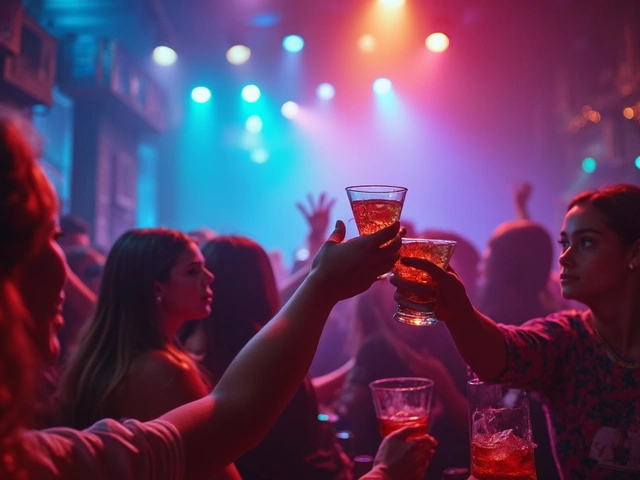
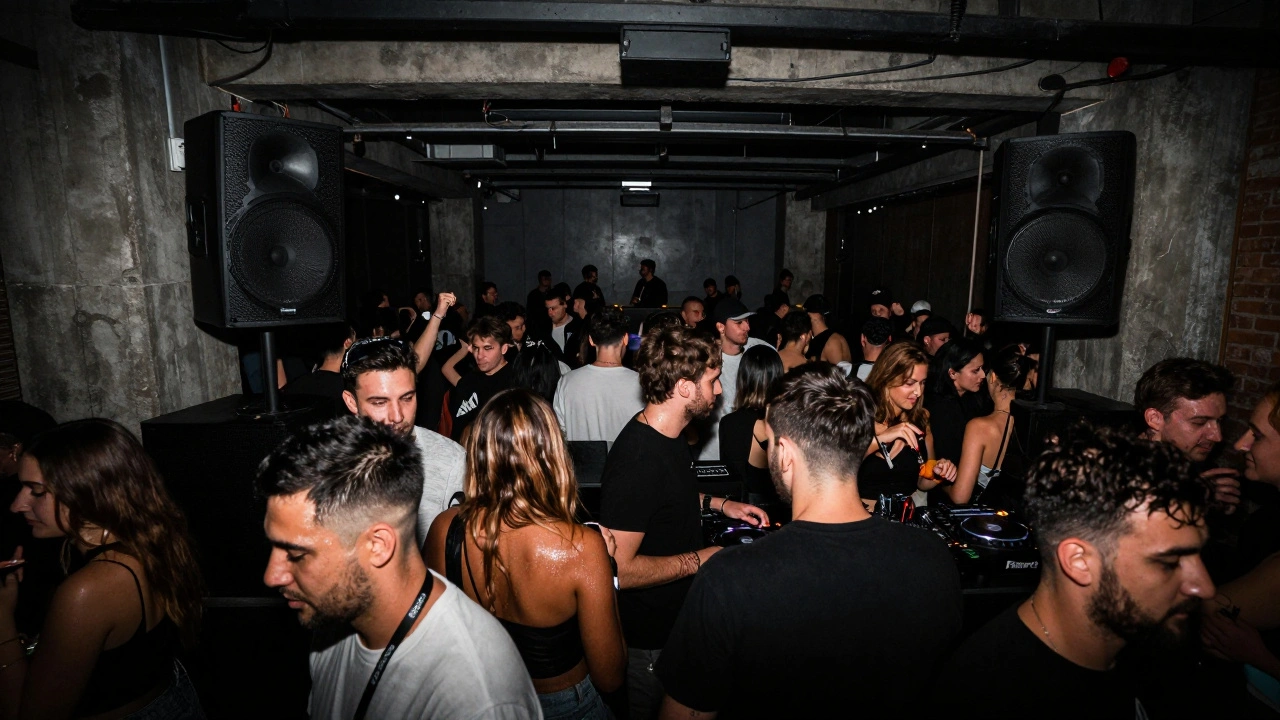
In London, the night doesn’t just begin after dark-it explodes. From the neon-lit basements of Shoreditch to the grand ballrooms of Mayfair, the city’s dance clubs aren’t just places to drink and move-they’re living archives of music, culture, and rebellion. If you’ve ever stood shoulder-to-shoulder in a packed room at Fabric, feeling the bass shake through your ribs as the lights go black, you know why London remains one of the world’s top destinations for clubbing.
Why London’s Club Scene Still Rules
London isn’t just another city with a few trendy bars. It’s a melting pot where underground raves birthed UK garage, where grime found its first real stage, and where house music was revived by a generation of kids who grew up on BBC Radio 1’s Essential Mix. Unlike cities where clubs come and go in cycles, London’s best venues have survived decades by evolving without losing their soul.
Take Fabric-opened in 1999, still operating today. It’s not just a club. It’s a temple of sound. With its legendary Funktion-One system and no VIP section, it’s designed for the music, not the status. You won’t find bottle service here. You’ll find people who’ve queued for hours because they know that when Jeff Mills or Nina Kraviz plays, the room becomes something bigger than a nightclub-it becomes a shared experience.
The Underground Icons: Where It All Started
London’s most influential clubs weren’t built in glass towers. They were carved out of old warehouses, pubs, and even disused churches. The Cross in Elephant & Castle was a haven for queer clubbers and electronic music lovers in the 90s, long before gentrification made the area trendy. It closed in 2016, but its spirit lives on in venues like The Waiting Room in Peckham, where DJs spin rare disco edits and the crowd is made up of artists, students, and old-school ravers who still remember the days when you needed a password to get in.
Then there’s The End in Covent Garden. Opened in 1998, it hosted everything from drum & bass nights to punk rock raves. It shut down in 2018 after 20 years, but its legacy is etched into the city’s DNA. Many of today’s top London DJs cut their teeth there. You can still hear echoes of The End in the basement of Printworks-a former printing factory turned mega-club that opened in 2017 and quickly became the go-to for massive, high-production parties. Think laser grids, industrial architecture, and lineups that include Skrillex, Charlotte de Witte, and Four Tet.
Mayfair’s Glamour: When the Night Gets Sophisticated
Not every London night is about sweat and bass. In Mayfair, the scene is quieter but no less electric. Annabel’s, hidden beneath a private members’ club on Berkeley Square, is the most exclusive nightclub in the UK. It’s not for everyone-you need an invitation or a connection. But if you’ve ever seen celebrities dancing under crystal chandeliers to live jazz mixed with deep house, you’ve seen Annabel’s in action.
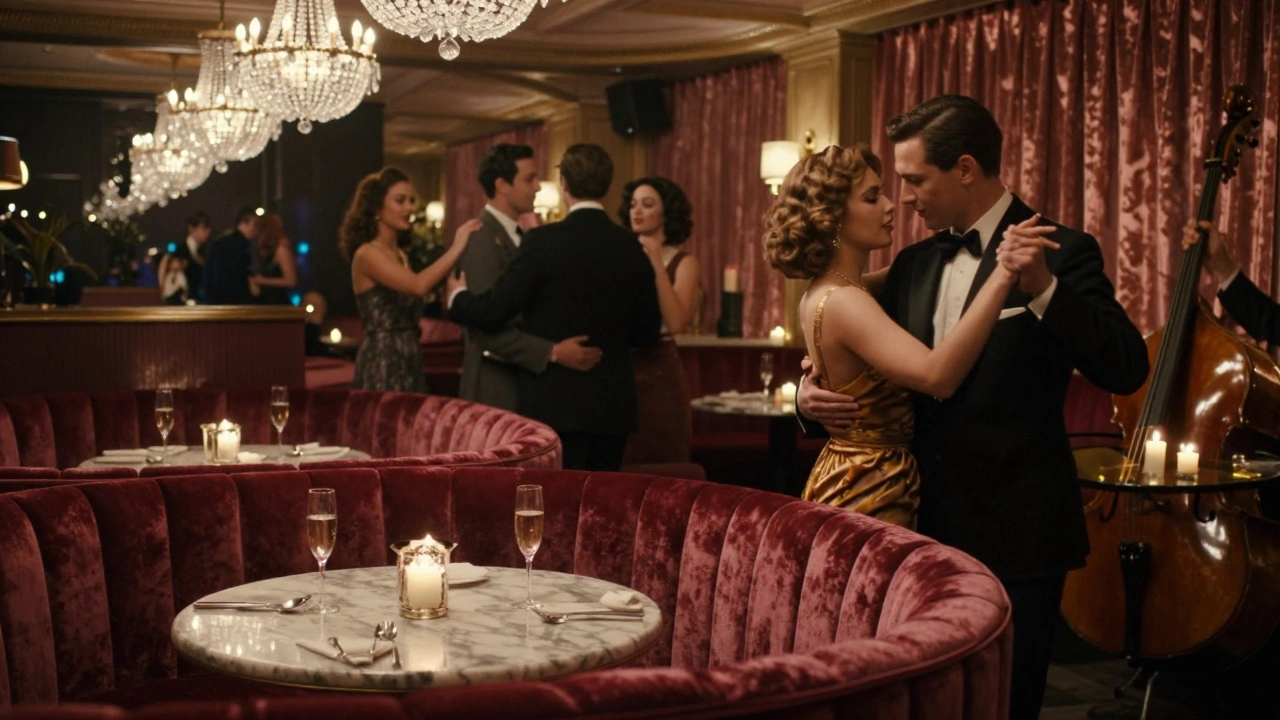
For something slightly more accessible, Tramp in Mayfair offers a 1960s vibe with velvet booths, candlelit tables, and a strict dress code. No hoodies. No trainers. Just tailored jackets and evening gowns. It’s the kind of place where a hedge fund manager might strike up a conversation with a DJ from Berghain after midnight. It’s not about the music alone-it’s about the atmosphere, the history, the unspoken rules.
East London’s Evolution: From Squats to Superclubs
Shoreditch and Hackney didn’t always have rooftop bars and artisan coffee shops. In the early 2000s, they were the epicenter of London’s illegal rave scene. Warehouses in Bow and Dalston hosted secret parties with names like “The Bunker” and “The Temple.” Today, those energy and ethos live on in places like Corsica Studios in Elephant & Castle and The Social in Dalston.
Corsica Studios is a 500-capacity warehouse with no fancy lighting, no VIP area, and a sound system that makes your teeth vibrate. It’s the kind of place where you’ll find a 22-year-old from Croydon playing a 3-hour set of ambient techno to a crowd of 300 people who’ve never heard of her before-and they’ll remember it for years. It’s raw. It’s real. And it’s exactly why London’s underground still thrives.
Meanwhile, The Social in Dalston is where you go if you want to dance to forgotten 90s rave anthems or discover the next big UK drill producer. It’s not owned by a corporation. It’s run by a collective of local promoters who book acts based on passion, not profit. The bar serves £4 pints of lager. The dance floor is always packed. And the door policy? If you’re cool, you’re in.
What Makes a London Club Iconic?
It’s not just the music. It’s not just the location. It’s the people. London clubs survive because they’re shaped by the crowd as much as the promoters. The best ones have:
- A no-pretense policy-no bouncers turning people away for not wearing the ‘right’ shoes
- A sound system that matters-Funktion-One, Martin Audio, or custom-built rigs that make the bass feel physical
- A history you can feel-walls that have seen Prince, David Bowie, or Dua Lipa walk through
- A community-regulars who know the DJs by name and show up every week, rain or shine
That’s why Berghain in Berlin gets all the press-but in London, you don’t need to fly to Germany to find the same magic. You just need to know where to look.
How to Navigate London’s Club Scene in 2025
Here’s what actually works in London right now:
- Check resident nights-Don’t just look at the headline act. A club’s soul is in its weekly residents. At The Cross’s spiritual successor, 1100 Club in Hackney, the Friday night resident DJ plays nothing but 90s UK garage. That’s the night to go.
- Arrive early-Many top clubs in London cap capacity. If you want to get in without paying £20 for a bottle, show up before 11 PM. The line at Fabric before midnight is half the length it is at 1 AM.
- Follow the locals-Instagram accounts like @londonclubsunlocked or @subculturelondon post real-time updates on pop-ups, secret sets, and last-minute changes. Tourist guides won’t tell you about the warehouse party in Canning Town happening tonight.
- Know the dress codes-Mayfair clubs still enforce them. East London? Hoodies are fine. West London? Don’t show up in flip-flops.
- Use public transport-The Night Tube runs Friday and Saturday nights on the Central, Victoria, Jubilee, Northern, and Piccadilly lines. Taxis are expensive and slow. Get the Night Overground too-it connects Clapham to Dalston in 25 minutes.
The Future of London Clubs
There are threats-rising rents, noise complaints, licensing crackdowns. Clubs like The Fridge and The Wag have vanished. But London keeps adapting. New spaces are popping up in disused tube stations, old libraries, and even a converted church in Brixton. The new generation of promoters aren’t trying to compete with global brands. They’re building local scenes with soul.
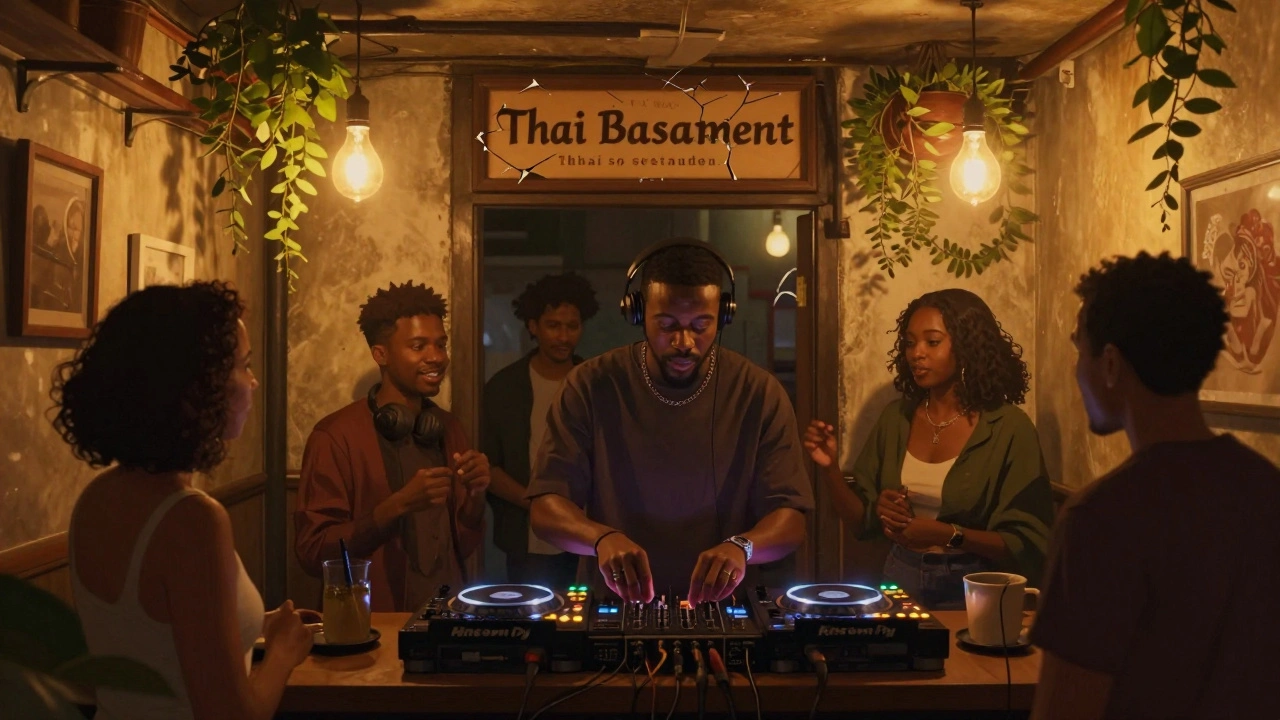
Look at The Basement in Peckham. It’s not on any tourist map. It’s a tiny space under a Thai restaurant. But every Thursday, it hosts a soulful deep house night with live vocals. The crowd is mostly Black British, Caribbean, and Nigerian expats. The music is a mix of London garage, Afrobeat, and classic Motown. It’s not loud. It’s not flashy. But it’s the heartbeat of a city that still knows how to dance.
London’s clubs aren’t just about the night. They’re about identity. They’re about belonging. And as long as there are people who show up not to be seen-but to feel-they’ll keep going.
What’s the best time to go clubbing in London?
The sweet spot is between 11 PM and 1 AM. Most clubs don’t get truly busy until after midnight, but arriving earlier means you skip the long queues and pay less for drinks. Friday and Saturday nights are the busiest, but Wednesday and Thursday nights often have the best lineups with smaller crowds.
Are London clubs still affordable?
Yes-if you know where to go. In East London, you can get in for £5-£10 at places like Corsica Studios or The Social. In West London, expect £15-£25. Drinks are £6-£8 for a pint or £10 for a cocktail. Avoid tourist traps in Soho and Leicester Square-they’re overpriced and underwhelming.
Can tourists get into exclusive clubs like Annabel’s?
It’s possible, but rare. Annabel’s is members-only, but you might get in if you’re invited by a member or if you’re staying at a luxury hotel like The Ritz or The Savoy. Some high-end hotels can arrange access for guests. Walk-ins won’t work.
What’s the most underrated club in London?
The Basement in Peckham. It’s hidden, small, and doesn’t advertise. But every Thursday night, it’s packed with people dancing to soulful, deep house and live vocals. It’s the kind of place you’ll remember for years, even if you never tell anyone about it.
Is it safe to club in London?
Generally, yes. London’s main club areas-Shoreditch, Dalston, Peckham, and Soho-are well-policed and safe at night. Stick to well-known venues, avoid unmarked warehouses, and use the Night Tube to get home. Don’t carry large amounts of cash. Most clubs have secure coat check and ID scanners.
If you’ve never danced until sunrise in a London club, you haven’t really experienced the city. It’s not about the drinks, the lights, or the name on the door. It’s about the moment when the music takes over, the crowd becomes one, and for a few hours, nothing else matters. That’s London.