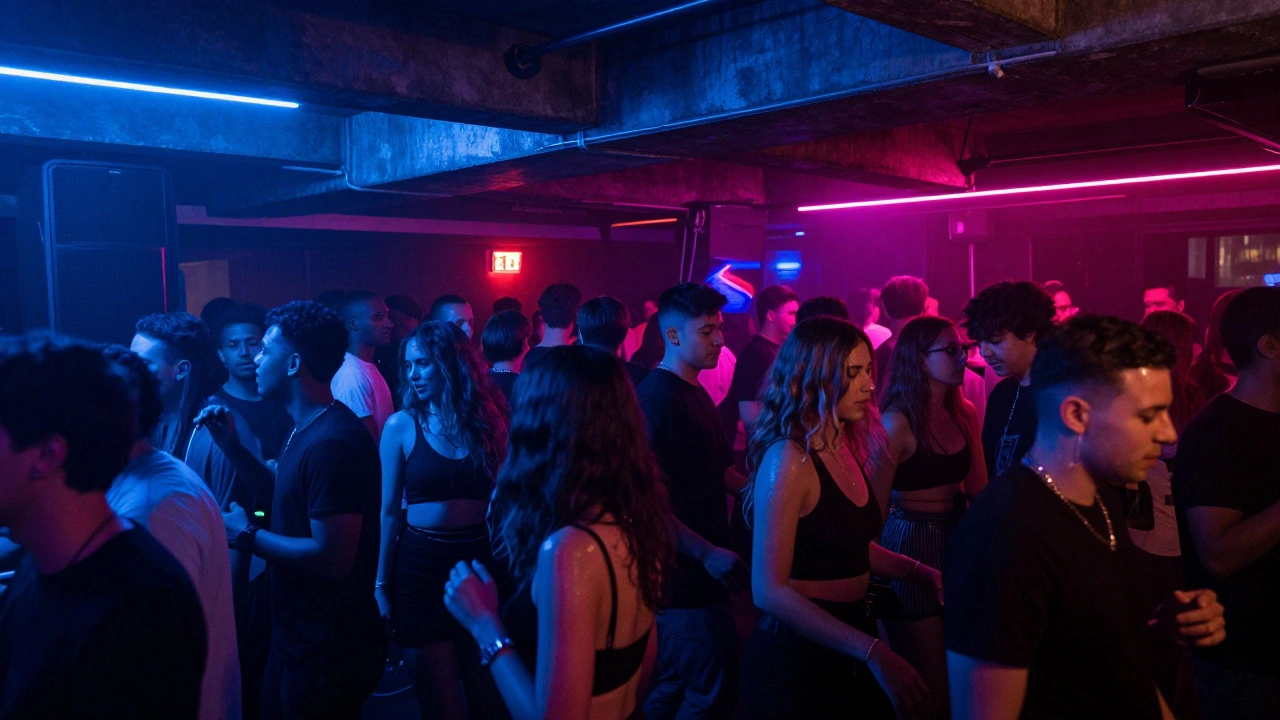
In London, dance clubs aren’t just places to drink and dance-they’re living rooms for the city’s soul. From the industrial warehouses of Peckham to the glittering basements of Soho, London’s club scene pulses with a rhythm that’s as diverse as its people. You won’t find one single sound here. One night you’re sweating through a house set at Fabric in Farringdon, the next you’re lost in afrobeats at The Jazz Café in Camden, or bumping into a grime MC at The Box Soho. This isn’t just nightlife. It’s culture, history, and rebellion wrapped in basslines.
London’s Clubs Are Built on Layers of History
Think London nightlife started with the 90s rave scene? It goes deeper. In the 1980s, clubs like The Wag in Mayfair and The Blitz in Covent Garden gave birth to New Romanticism-think shoulder pads, glitter, and Bowie-inspired theatrics. Fast forward to the 2000s, and Turnmills on Farringdon Road became the epicenter of underground techno, until it closed in 2008. That space? Now it’s a luxury hotel. But the spirit didn’t die. It moved.
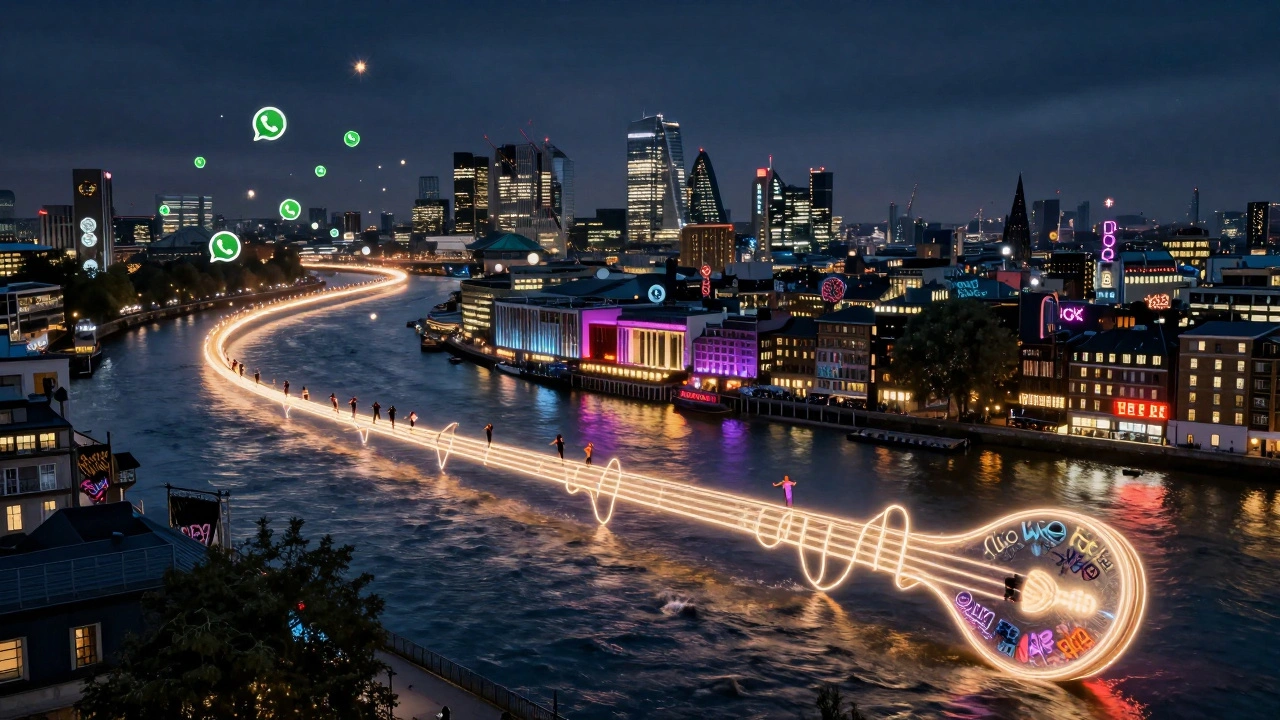
Today, venues like Printworks in Rotherhithe-housed in a disused printing factory-host massive techno and house events with 5,000+ people dancing under industrial ceilings. The city doesn’t just tolerate underground scenes; it feeds them. Councils in places like Hackney and Lewisham quietly allow warehouse parties because they know these spaces keep youth engaged, creative, and connected. That’s why you’ll find illegal raves still popping up in abandoned warehouses near the Thames, often announced only via encrypted WhatsApp groups or graffiti tags.
Where to Go When You Want More Than Just a Drink
Not all clubs in London are the same. Some are temples of sound. Others are social experiments. Here’s what actually works in 2025.
- Fabric (Farringdon): Still the gold standard for techno and house. Door policy is strict-no tourist hats, no flip-flops, no group of 10 showing up at 11pm. Go after midnight, dress dark, and expect to dance until 6am. The sound system? 18,000 watts. You’ll feel it in your ribs.
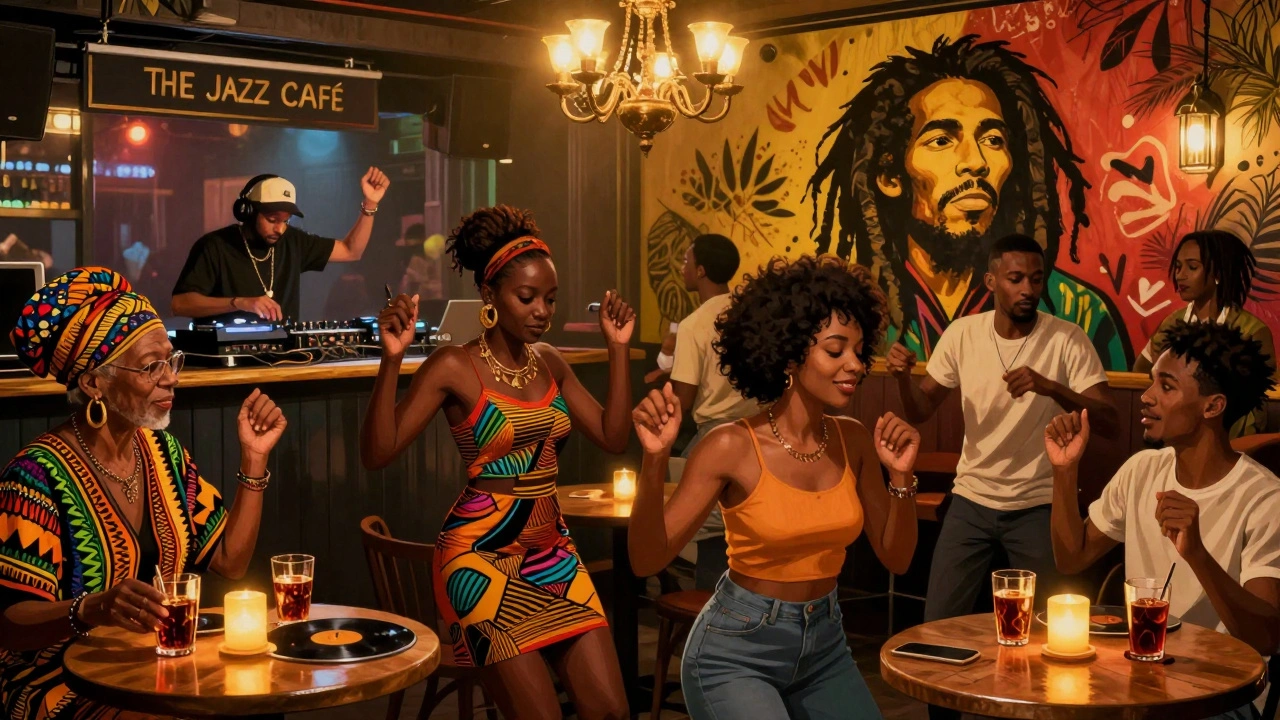
- The Jazz Café (Camden): More than a club-it’s a cultural hub. Thursday nights are ‘Afrobeat & Dancehall’, with DJs spinning from Nigeria, Jamaica, and South London. The bar serves rum punch made with local Jamaican rum, and the crowd? Mix of students, retirees, and expats who’ve been coming for 20 years.
- The Box Soho (Soho): A cabaret-meets-techno hybrid. Drag queens, burlesque, and live DJs share the stage. It’s not just music-it’s performance art. Entry is £15, but you get a free cocktail and a front-row seat to the chaos.
- Koko (Camden): Once a 1920s cinema, now a hybrid club and live venue. On weekends, it turns into a bass-heavy dance party with DJs from Rinse FM. The balcony? Perfect for people-watching while sipping a £6 gin and tonic.
- Shoreditch House (Shoreditch): Not for everyone. Members-only, but if you know someone who works in fashion or media, you might get in. The rooftop terrace at 2am, with the city skyline behind you and a chilled-out deep house playlist? That’s London luxury.
And don’t forget the hidden gems: Wulfrun in Dalston, a tiny basement with no sign, just a red light outside. Or The Waiting Room in Brixton, where local DJs spin UK garage and jungle on vinyl. These aren’t on Google Maps. You find them by word of mouth.
What Makes London Clubs Different From Other Cities
Paris has elegance. Berlin has endurance. New York has scale. London has chaotic harmony.
Here, you’ll hear grime, reggae, UK drill, deep house, and Bollywood bhangra all in one night. That’s because London’s club scene reflects its demographics: over 300 languages spoken, 40% of residents born outside the UK. The music doesn’t just play-it evolves. A DJ in Peckham might sample a Nigerian highlife track, layer it with a UK drill beat, and drop it at 2am to a crowd of 20-year-old Somalis, 60-year-old Jamaican immigrants, and a group of German students on a gap year.
There’s also the legal flexibility. Unlike cities where clubs shut down at 1am, London’s licensing laws allow 24-hour clubs-on special permits. Fabric, Printworks, and Ministry of Sound have them. That’s why you’ll see people leaving clubs at sunrise, grabbing a bacon butty from a nearby kebab shop, and heading straight to work.
How to Navigate the Scene Without Getting Scammed
London’s club scene is welcoming-but it’s also full of traps.
- Don’t pay for bottle service unless you’re at a VIP area in a place like The Arts Club or The Wolseley after-hours. Most clubs don’t need it. You’ll pay £200 for three glasses of prosecco and get served last.
- Use official ticket platforms like Resident Advisor, Dice, or the club’s own website. Third-party resellers? Often fake. I’ve seen people pay £50 for a ticket that was just a screenshot of a QR code.
- Watch your drink. London has a high rate of drink-spiking incidents-especially in Soho and Camden. Stick with friends. Use the free drink-checking services offered by Club Safe at venues like Fabric and Printworks.
- Public transport after midnight is your friend. Night Tube runs on Fridays and Saturdays on the Central, Victoria, Jubilee, Northern, and Piccadilly lines. If you’re heading to Shoreditch from Camden, take the Night Tube. Taxis? You’ll wait 45 minutes and pay £35 for a 15-minute ride.
Why London’s Club Scene Is Still Alive
Some say clubs are dying. They’re wrong.
While big chains like Pacha and Ministry of Sound still draw crowds, the real energy is in the small, independent spaces. In 2024, over 120 new underground clubs opened in London-most of them run by 20-somethings with no funding, just passion. They don’t have fancy lighting. They use LED strips from Amazon and speakers borrowed from a mate’s studio. But they’ve got something bigger: authenticity.
Look at Waves in Lewisham, a pop-up club that only opens on the last Friday of every month. No social media presence. Just a single Instagram post at 8pm saying, ‘Be at the old library on New Cross Road. Bring a torch.’ That’s London. It doesn’t need to be loud to be powerful.
Even the government gets it. In 2023, the Mayor of London launched the ‘Night Time Economy Commission’, which allocated £2 million to support grassroots venues. Why? Because clubs aren’t just about fun-they’re economic engines. They employ 120,000 people in London alone. They keep bars, food vendors, taxi drivers, and security firms busy. They’re the reason tourists come back year after year.
What to Do If You’re New to London’s Scene
If you’ve just moved here-or you’re visiting for the first time-here’s how to start:
- Follow Rinse FM on Instagram. They announce underground parties before anyone else.
- Join the London Nightlife Meetup group on Facebook. It’s full of locals who’ll take you to their favorite spots.
- Go to a free Friday night at The Jazz Café or The Lexington in Islington. No cover, no pressure.
- Ask the bar staff where they go after their shift. They’ll tell you the truth.
- Don’t try to do it all in one night. Pick one club. Stay until the end. That’s how you find the real ones.
London’s clubs don’t want you to be a tourist. They want you to be part of the rhythm. So put your phone away. Dance like no one’s watching-even though 500 people are.
What’s the best time to go out in London clubs?
Most clubs don’t get busy until after midnight. The real energy starts around 1am. If you arrive at 10pm, you’ll be the only one dancing. Wait until the crowd builds. Weekends are best, especially Friday and Saturday. Some clubs like Fabric and Printworks stay open until 6am, and the last hour is often the best.
Are London clubs expensive?
It depends. Entry to most clubs is £10-£15. VIP tables or bottle service can cost £300+, but you don’t need it. Drinks are £8-£12 for a pint or cocktail. Some clubs, like The Jazz Café or The Lexington, have free entry nights. Always check their website first. The cheapest nights are usually Wednesdays and Thursdays.
Is it safe to go clubbing alone in London?
Yes, if you’re smart. Stick to well-known venues like Fabric, Printworks, or Koko. Avoid places with no clear entrance or no staff visible. Use the free drink-checking services offered at major clubs. Always tell someone where you’re going. Many clubs now have ‘Safe Space’ volunteers-look for people in bright vests. If something feels off, leave. There’s no shame in walking out.
Can I get into London clubs if I’m under 21?
No. The legal drinking age in the UK is 18, but most clubs enforce a 21+ policy for safety and licensing reasons. Some venues allow 18-20 year olds on certain nights, but you’ll need a valid photo ID. Don’t rely on fake IDs-they’re easily spotted, and you’ll be banned for life.
What should I wear to London clubs?
Dress code varies. At Fabric, no trainers, no sportswear, no hats. At The Box Soho, you can wear glitter and feathers. In general, smart casual works: dark jeans, clean sneakers or boots, a stylish top. Avoid oversized hoodies, flip-flops, or anything that looks like you just left the gym. The crowd cares about effort, not labels.