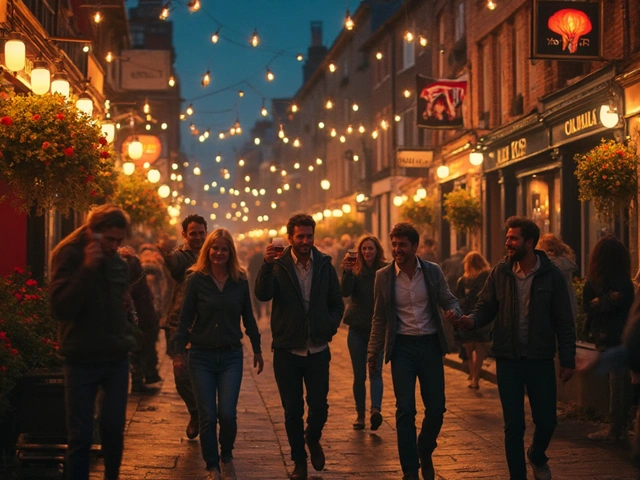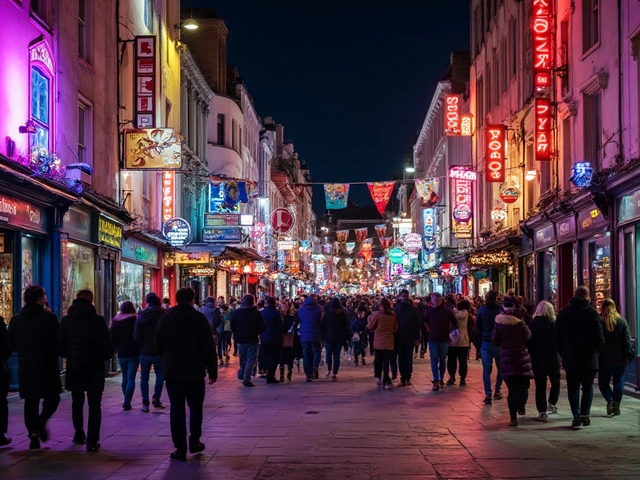
In London, where the rhythm of the city never truly sleeps, few places capture the raw, unfiltered pulse of after-hours culture like Fabric. Tucked beneath the railway arches of Bermondsey, this isn’t just another club-it’s a landmark. Since opening in 1999, Fabric has become the heartbeat of London’s underground scene, drawing in locals from Hackney, expats from Peckham, tourists from Camden, and DJs from Berlin who treat it like a pilgrimage. If you’ve ever wondered what real London nightlife feels like when the bars close and the real party begins, this is where you find out.
What Makes Fabric Different From Other London Clubs?
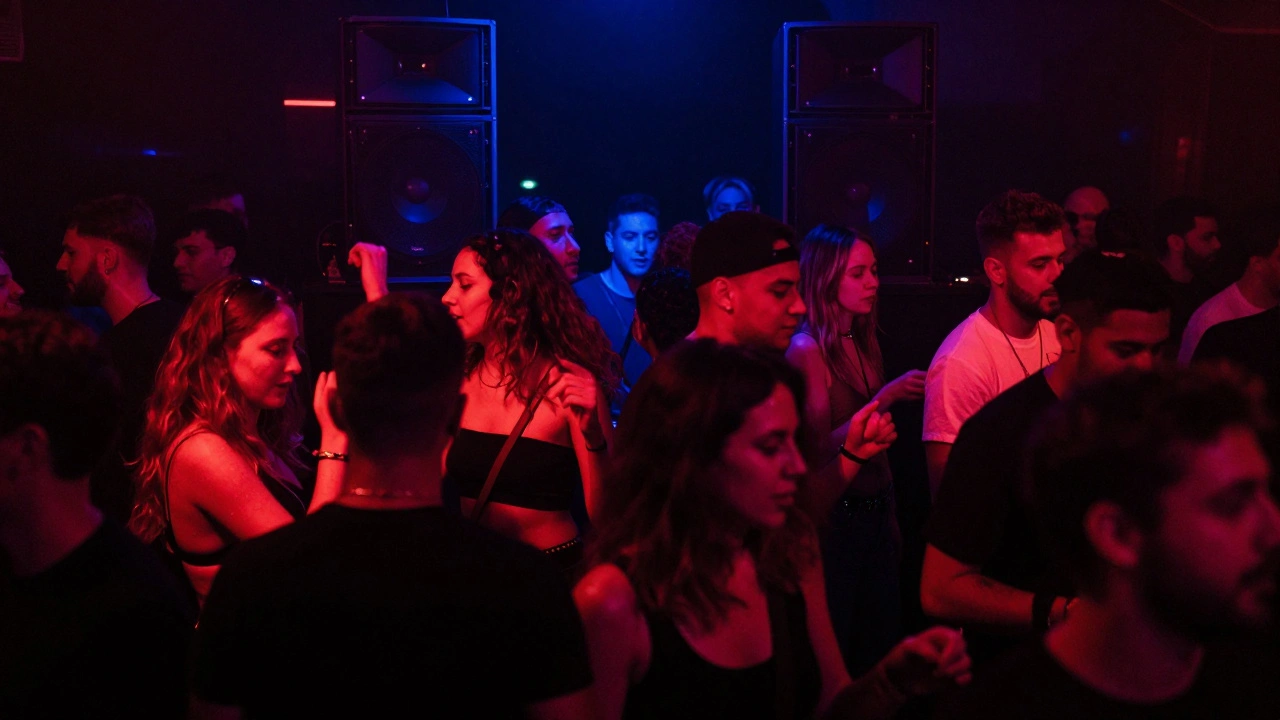
Most London clubs try to be everything: loud music, flashing lights, VIP tables with bottle service, and a dress code that feels more like a runway than a night out. Fabric does the opposite. There’s no velvet rope dividing the crowd. No bouncers checking your designer shoes. No overpriced cocktails that cost more than your bus fare home. Instead, you get two floors of pure sound, no frills, no gimmicks. The main room, Room 1, is a temple of bass-30,000 watts of Funktion-One speakers that don’t just play music, they move your ribs. Room 2 is darker, weirder, more experimental, where techno bleeds into industrial and house gets twisted into something unrecognizable. This isn’t background noise. It’s physical.
Compare it to places like Printworks or XOYO. Printworks has the space, the light shows, the Instagram appeal. XOYO has the indie bands and the trendy crowd. Fabric? It’s the one place where you’ll see a City banker in a hoodie dancing next to a student from Goldsmiths, both lost in the same 4/4 beat. That’s London. No pretense. Just people and the music.
The Sound That Built a Legacy
Fabric’s reputation didn’t come from celebrity DJs-it came from consistency. For over two decades, it’s hosted the architects of modern electronic music. Carl Cox played his first UK residency here. Ricardo Villalobos dropped sets that lasted seven hours and left people speechless. Peggy Gou, Ben Böhmer, and Charlotte de Witte all consider it a home base. The club doesn’t chase trends. It sets them. The weekly Fabric Presents series, which started in 2001, is now a globally recognized mix series on Spotify and Apple Music, with over 200 volumes released. Each one is a snapshot of what was moving London’s underground that month.
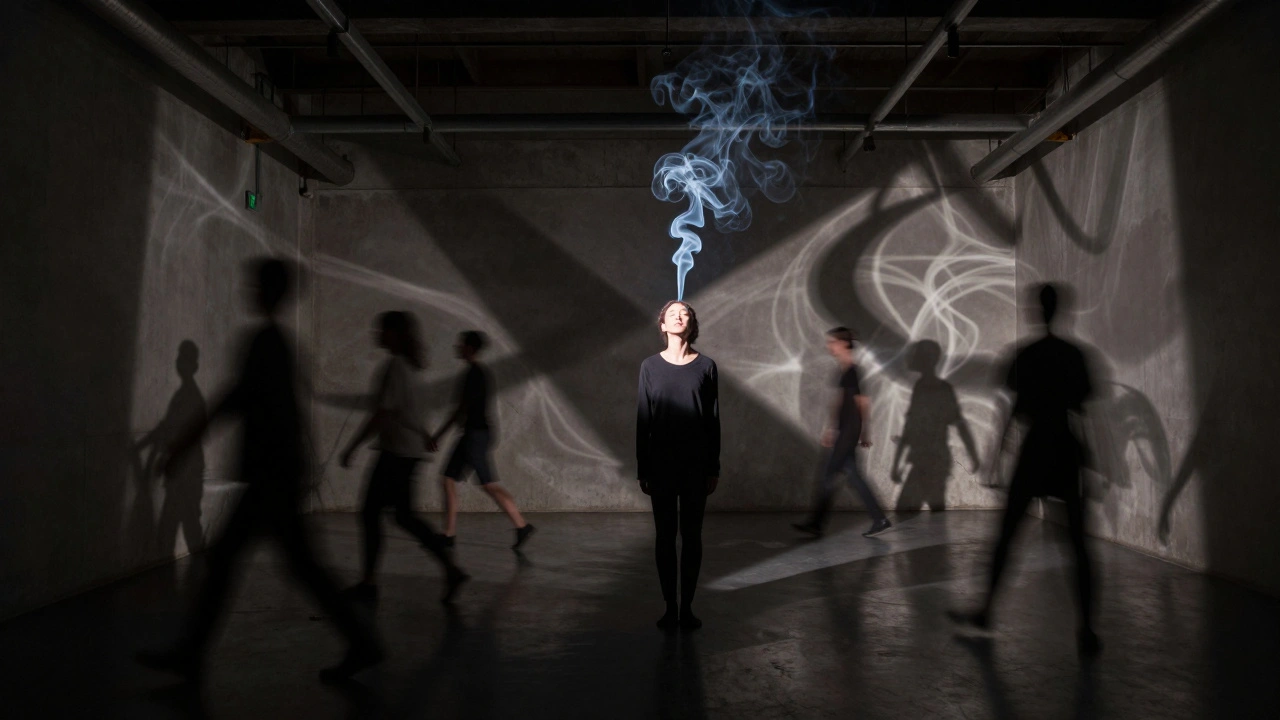
And the sound system? It’s not just good-it’s legendary. Built by Funktion-One, it’s the same system used in the world’s most respected studios. People come to Fabric not just to dance, but to hear music the way it was meant to be heard: clean, deep, and powerful enough to feel in your bones. Walk in during a peak set and you’ll notice something rare: people aren’t looking at their phones. They’re eyes closed, heads nodding, bodies moving as one. That’s the magic.
When to Go-and How to Survive It
Fabric doesn’t open until 11pm, and it doesn’t close until 5am. That’s London time. The club operates on a strict 12-hour schedule: doors at 11, last entry at 2am, and the final track fades just before 5. There’s no 24-hour license here, and that’s part of the charm. You know when it ends. You plan for it.
Weekends are packed. If you want to get in without a line, arrive between 11:30 and midnight. After 1am, expect queues stretching down Bermondsey Street, past the kebab shops and the 24-hour Tesco Metro. Dress code? Casual. No suits, no flip-flops, no branded hoodies with logos bigger than your face. Jeans, trainers, a black t-shirt. That’s it. The bouncers aren’t looking for your Instagram profile-they’re looking for your attitude. Be respectful. Don’t push. Don’t shout. You’re here for the music, not the drama.
And don’t forget: the nearest Tube station is Bermondsey on the Jubilee Line. Last train leaves at 12:45am on weekends. If you’re planning to stay past 1am, book a cab in advance. Uber fills up fast, and the last night buses don’t run this far south. There’s a 24-hour pharmacy on the corner of Bermondsey Street and Tooley Street-useful if you need water, painkillers, or just a quiet place to sit for five minutes before heading home.
Why Fabric Still Matters in 2025
London has changed. New clubs open every year. Tech startups fund flashy venues with neon lights and AI-curated playlists. But Fabric? It’s still here. Not because it’s old, but because it’s real. It survived the 2016 closure after a drug-related incident, the protests, the council hearings, the media panic. The community fought back. Over 10,000 people signed petitions. Musicians, engineers, students, parents-they all showed up. And in 2017, it reopened with stronger rules, better security, and a renewed mission: to protect space for music, not just money.
Today, Fabric is more than a club. It’s a symbol. In a city where housing costs eat up half your salary and pubs are turning into NFT lounges, Fabric still lets you lose yourself in sound for five hours without paying £15 for a pint. It’s one of the last places in London where the music comes first, and the crowd decides the vibe-not a marketing team.
What to Do After Fabric Closes
When the last track fades and the lights come up at 5am, you won’t find a chain coffee shop nearby. But you’ll find Brick Lane Bagels on the other side of the river, open 24/7, with steaming hot black coffee and salted caramel pastries that taste like home. Or head to The Breakfast Club in Shoreditch, where the DJs still spin vinyl until noon and the pancakes come with maple syrup and a side of good vibes. If you’re feeling brave, catch the first train to Brixton and find Wahaca for a proper Mexican breakfast-chilaquiles, beans, and a bloody mary to reset your system.
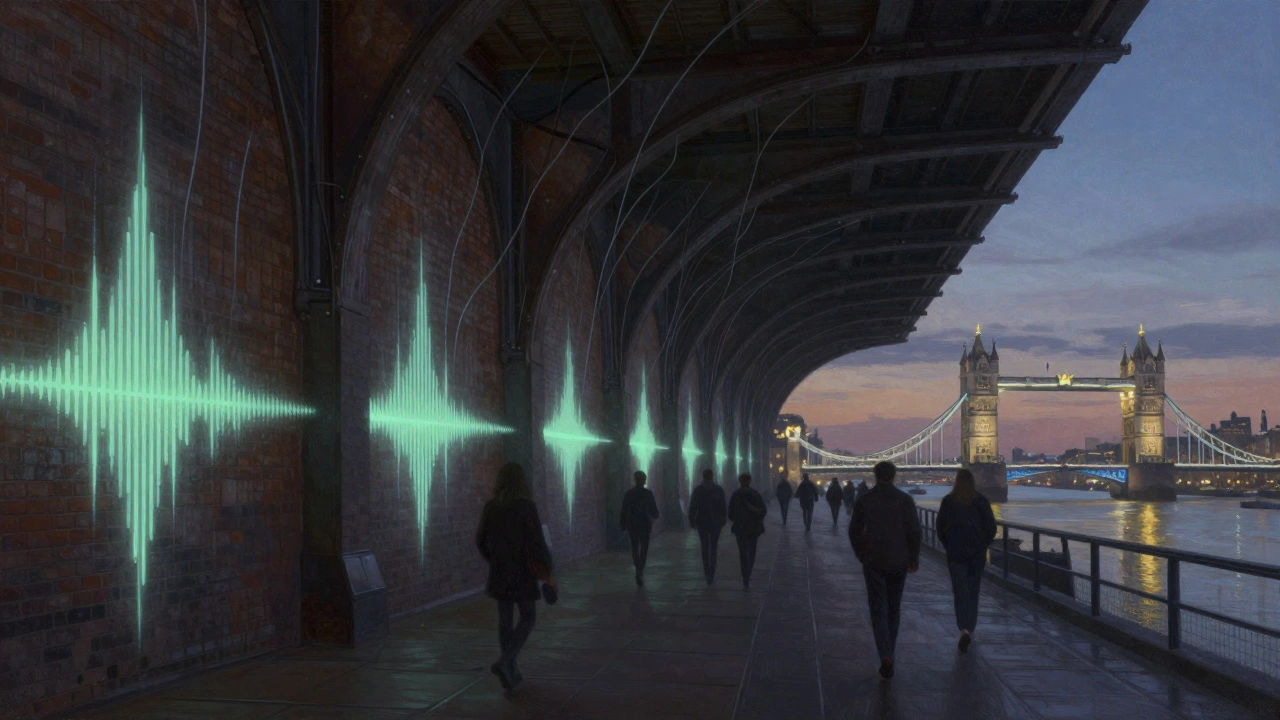
And if you’re not ready to go home? Walk along the Thames. The city is quiet now. The lights of Tower Bridge reflect on the water. No crowds. No noise. Just you, the river, and the echo of the bass still humming in your chest.
Is Fabric still open in London in 2025?
Yes, Fabric is fully operational in 2025. After reopening in 2017 following a temporary closure, it has maintained its schedule with weekly events on Fridays and Saturdays, plus occasional special events on Wednesdays. The club operates from 11pm to 5am, with strict door policies and no 24-hour licensing.
What’s the best night to go to Fabric?
Fridays are the most popular, with headline DJs and the biggest crowds. Saturdays are deeper and more experimental, often featuring underground selectors and long sets. Wednesdays are quieter and ideal if you want to explore without the rush. Check Fabric’s official website for the weekly lineup-each night has a distinct vibe.
Can I get into Fabric without a ticket?
Sometimes, but don’t count on it. Most nights, especially weekends, are sold out in advance. Walk-ins are only possible if the event isn’t full, and even then, you’ll likely wait in a long line. Buying a ticket online through the official site or Resident Advisor is the only reliable way to guarantee entry.
Is Fabric safe for solo visitors?
Yes. Fabric has one of the best safety records in London’s club scene. Staff are trained in harm reduction, and there are multiple security and first aid points throughout the venue. The crowd is generally respectful-no one’s there to cause trouble. Many locals, including women and non-binary attendees, come alone and feel completely safe. If you’re nervous, go with a friend, but you’re not required to.
How much does it cost to get into Fabric?
Ticket prices vary by event, but most nights range from £12 to £20. Some special events with big-name DJs can go up to £30. Drinks are £7-£9 for a pint of beer or a standard spirit. There’s no cover charge for entry before 1am if you’re on the guest list, but that’s rare. Budget at least £30-£40 total for a full night.
Final Thought: It’s Not Just a Club-It’s a Part of London
Fabric isn’t on the tourist maps. You won’t find it in the London Pass brochures. But if you’ve ever danced until your feet hurt, your throat is raw from shouting over the bass, and you walked out at 5am with your coat covered in sweat and glitter, you know what it means. This is where London’s soul lives after dark. Not in the West End. Not in the pubs of Soho. But here, in a basement under a railway bridge, where the music doesn’t care who you are-only how you feel.