
In London, where the rhythm of the city never truly sleeps, one name echoes louder than any other in the bass-heavy dark: Fabric. Nestled in a quiet alley just off Farringdon Road, this isn’t just another club-it’s a cathedral of sound, a cultural landmark, and the beating heart of London’s underground dance scene. While tourists flock to Covent Garden or sip cocktails in Shoreditch, locals know that if you want to feel what real London nightlife sounds like, you head to Fabric.
More Than a Club, a Legacy
Fabric opened its doors in 1999, long before London’s club culture became a tourist brochure. Back then, the area around Farringdon was still gritty-warehouse conversions, dodgy streetlights, and the distant hum of the Underground. But inside, a new kind of music was being forged: hard-hitting techno, deep house, and bass-driven rhythms that didn’t care about trends. It wasn’t designed for Instagram backdrops or VIP bottle service. It was built for the music, the crowd, and the night.
Today, Fabric still operates under the same ethos. No neon signs. No logo merch on every surface. Just a 1,200-capacity space split into two rooms-Fabric and FabricLive-each with its own sound system engineered by the legendary Tony Humphries. The bass bins are custom-built, the acoustics are meticulously tuned, and the DJs? They don’t play for applause. They play because this is where the best in the world come to test their sets.
Who Plays at Fabric? The Who’s Who of Global Dance
If you’ve heard a name like Carl Cox, Nina Kraviz, or Ben Klock, chances are they’ve played Fabric. Not because it’s trendy, but because it’s one of the few clubs left where a DJ can play a 6-hour set without being interrupted by a bottle drop or a DJ switch. In 2024, a BBC Radio 1 documentary revealed that over 70% of the top 50 techno and house DJs listed in Resident Advisor have performed at Fabric at least once. Some, like Ricardo Villalobos, have played it more than 20 times.
It’s not just about big names. Fabric’s booking policy is built on trust. A DJ doesn’t need a manager or a label deal to get booked. They just need to send a demo, and if it moves the staff, they’re in. That’s how local heroes like Luke Slater and DJ Stingray got their first UK slots. It’s also how a 19-year-old from Croydon ended up spinning for 800 people last summer-no promotion, no hype, just pure sound.
The London Vibe: No Frills, All Feeling
Forget the glitter and the glam. Fabric doesn’t do VIP tables. There’s no dress code beyond ‘don’t be a dick’. You’ll see bankers in tailored coats next to students in thrifted hoodies, artists in paint-splattered jeans, and retired warehouse ravers with decades of stories. The crowd doesn’t come for the drinks-they come for the sound. The bar serves £5 pints of lager, £3 ciders, and a single bottle of water for £2.50. No overpriced cocktails. No branded mixers. Just the essentials.
And the lighting? It’s not designed to make you look good. It’s designed to disappear. Flickering strobes, red lasers cutting through smoke, and the occasional shaft of white light that hits the dancefloor like a sudden revelation. You don’t take photos here. You feel them.
This is the London that doesn’t make headlines. It’s not in Time Out or on TikTok. It’s in the quiet conversations after 4 a.m., when the music finally fades and someone says, ‘That was the one.’
How to Get In (And Not Get Rejected)
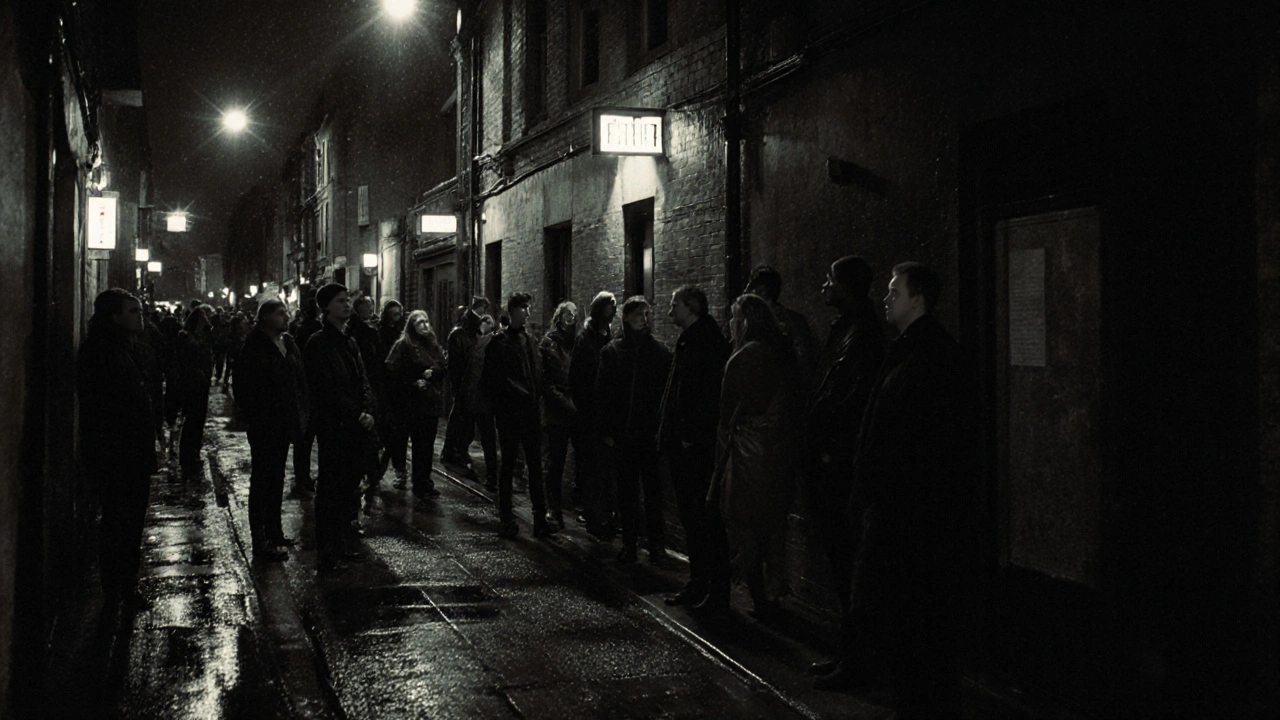
Fabric doesn’t sell tickets online like a festival. You can’t just swipe your card and walk in. Entry is by door policy-and it’s strict. Here’s how to actually get in:
- Go on a Thursday, Friday, or Saturday. Weeknights are usually closed or reserved for private events.
- Arrive before midnight. After that, the queue snakes down Farringdon Road and the bouncers start turning people away.
- Dress like you mean it-but not like you’re trying too hard. No tracksuits, no flip-flops, no branded shirts. Dark, clean, simple works.
- Bring ID. No exceptions. Even if you’re 30, they’ll check. London’s licensing laws are tight, and Fabric’s license is one of the most scrutinized in the UK.
- Don’t argue. The door staff aren’t rude-they’re tired. If you’re turned away, don’t push it. Come back next week.
Pro tip: If you’re a regular, get on the email list. Fabric sends out last-minute invites for special events-like the monthly ‘Fabric Presents’ nights that feature live sets from artists you won’t hear anywhere else.
Why Fabric Survives When Others Died
London has lost more than 50 clubs since 2010. The closure of The Cross, The End, and The Social made headlines. But Fabric? It’s still here. Why?
Because it never tried to be everything to everyone. It didn’t chase corporate sponsors. It didn’t turn into a nightclub chain. It didn’t try to be ‘cool’ for the masses. It stayed true to its roots: music, space, and community.
Even after the 2016 licensing crisis-when the council tried to shut it down over noise complaints-Londoners rallied. Over 20,000 people signed a petition. Musicians from Radiohead to Aphex Twin wrote open letters. The mayor himself visited. And Fabric won. Not because it was loud, but because it was necessary.
Today, it operates under a unique agreement: it can stay open until 5 a.m. on weekends, but only if it meets strict noise control standards. The club now has a sound engineer on-site 24/7 to monitor decibel levels. It’s not perfect, but it’s a compromise that kept the lights on.

What Comes After Fabric?
After the last track fades and the lights come up, you’ll find people spilling out onto Farringdon Road, still buzzing, still talking about the set they just heard. Some head to the 24-hour kebab shop on Charterhouse Street. Others catch the 5 a.m. Tube to Peckham or Hackney. A few will meet up at a flat in Dalston for a coffee and a replay of the night on vinyl.
Fabric isn’t just a club. It’s a ritual. A place where London’s diversity-its immigrant communities, its art schools, its underground scenes-comes together in a single, pulsing moment. It’s where a kid from Brixton hears a track that changes their life. Where a German techno producer finds a new audience. Where a retiree from Kent still dances like they’re 25.
In a city that’s changing faster than ever-where chain coffee shops replace corner pubs and luxury flats swallow old warehouses-Fabric remains. Not because it’s lucky. But because it’s loved.
Is Fabric still open in 2025?
Yes, Fabric is fully operational in 2025. It reopened in early 2024 after a brief closure for structural upgrades and has maintained its weekly programming. The club now operates Friday and Saturday nights from 10 p.m. to 5 a.m., with occasional special events on Thursdays. Always check their official website for last-minute changes.
Can I get into Fabric without a ticket?
Yes, but only if you’re on the guest list or the door admits you based on crowd capacity and dress code. Fabric doesn’t sell tickets online for regular nights-entry is strictly door-only. Arriving early increases your chances significantly. For special events or guest DJs, tickets may be released via their newsletter or Resident Advisor.
What’s the best night to go to Fabric?
Friday nights are the most consistent for top-tier bookings, often featuring international headliners. Saturday nights tend to be more experimental, with local DJs and underground selectors taking the stage. Thursday nights are usually reserved for Fabric Presents-special themed events that sometimes include live performances or rare vinyl sets. Avoid Sundays unless it’s a special occasion; the club is typically closed.
Is Fabric safe for solo visitors?
Absolutely. Fabric has one of the strongest safety records of any club in London. Staff are trained in de-escalation, there are security personnel throughout the venue, and the crowd is generally respectful. The club also has a dedicated welfare team available throughout the night for anyone needing help. Many locals-women, LGBTQ+ attendees, and solo visitors-come regularly without issue.
What should I do if I miss the last Tube after Fabric closes?
The Night Tube doesn’t run on the Circle or Hammersmith & City lines past Farringdon. Your best options are the 24-hour N205 bus, which runs from Farringdon to Camden and beyond, or a licensed minicab booked via the Gett app-preferred by Londoners for its reliability. Avoid unlicensed cabs. Many regulars also coordinate meetups with friends to share rides or stay overnight in nearby hostels like YHA London Central.
Final Thoughts: Why London Needs Fabric
London is full of clubs. But only one of them feels like home to the people who built it. Fabric doesn’t need to be the biggest. It doesn’t need to be the flashiest. It just needs to keep playing the music that matters.
And as long as it does, it’ll remain more than a venue. It’ll be a symbol-of resistance, of creativity, of what happens when a city lets its underground breathe.