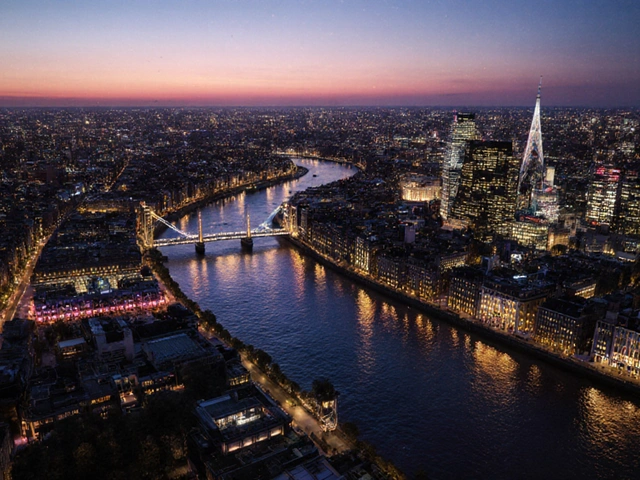
In London, where the pulse of the city never truly sleeps, few places have held onto their soul like Fabric. Tucked away in a quiet corner of Farringdon, just a stone’s throw from the bustle of Smithfield Market and the historic bars of Clerkenwell, this basement venue has been the beating heart of London’s electronic music scene for over two decades. It’s not just a club-it’s a institution, a sanctuary for those who believe music should move you, not just fill a room with noise.
How Fabric Became London’s Sound Laboratory
Fabric opened its doors in 1999, long before London’s nightlife was dominated by bottle-service lounges and Instagram backdrops. Back then, the East End was still gritty, the West End was still glitzy, and Farringdon was a forgotten stretch of industrial warehouses and pub landlords who knew their regulars by name. Fabric didn’t try to be flashy. It didn’t need to. Its power came from the sound system-48 speakers, custom-built by the legendary Tony Andrews, tuned to shake your ribs without distorting a single bass note. That system, still in use today, is one of the few in the world that can play a 128 BPM techno track at 120 decibels and still let you hear the hi-hats breathe.
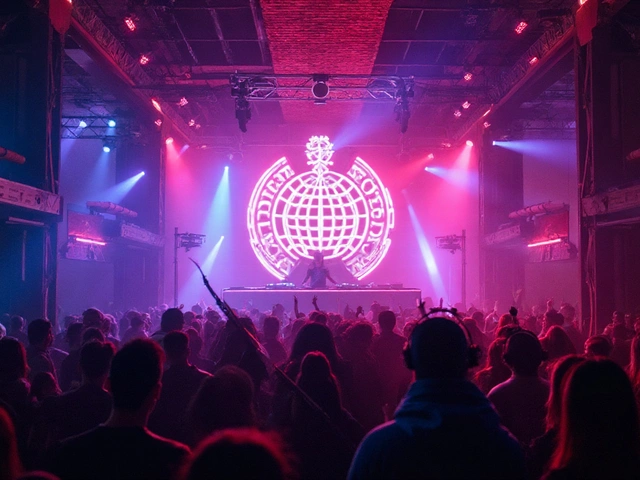
While clubs like Ministry of Sound leaned into commercial house and pop remixes, Fabric stayed true to underground sounds. Early residencies featured legends like Ricardo Villalobos, Jeff Mills, and Ben Klock, who played sets that lasted six, eight, even ten hours. No VIP sections. No dress codes. Just a crowd of students from Goldsmiths, post-office workers from Camden, and expats from Berlin and Tokyo, all shoulder-to-shoulder in the dark, losing themselves in the rhythm.
The Culture That Grew in the Basement
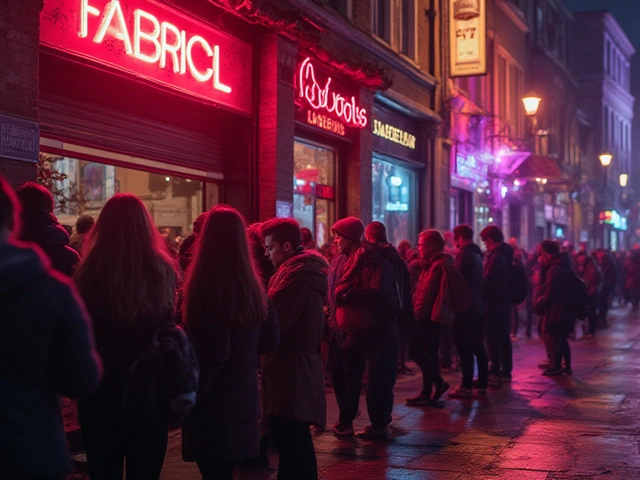
Fabric didn’t just play music-it cultivated a culture. On Friday nights, you’d see people arriving straight from shifts at the Royal Free Hospital or the BBC’s Broadcasting House, still in scrubs or blazers, swapping coats for hoodies and heading down the narrow staircase. The queue, often snaking past the old Smithfield meat market, became part of the ritual. You didn’t just wait to get in-you chatted with strangers, shared cigarettes with someone from Peckham, debated the merits of a new DJ from Leeds, or swapped tips on the best post-club kebab spot in nearby Old Street.
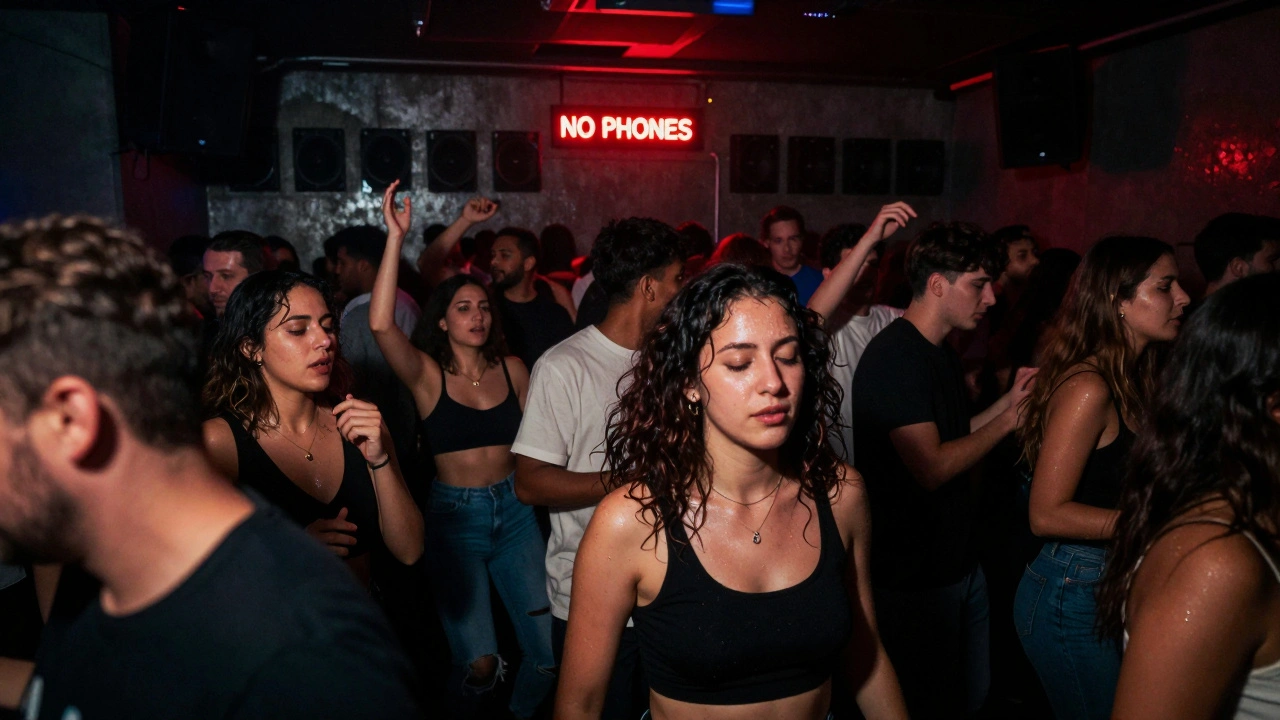
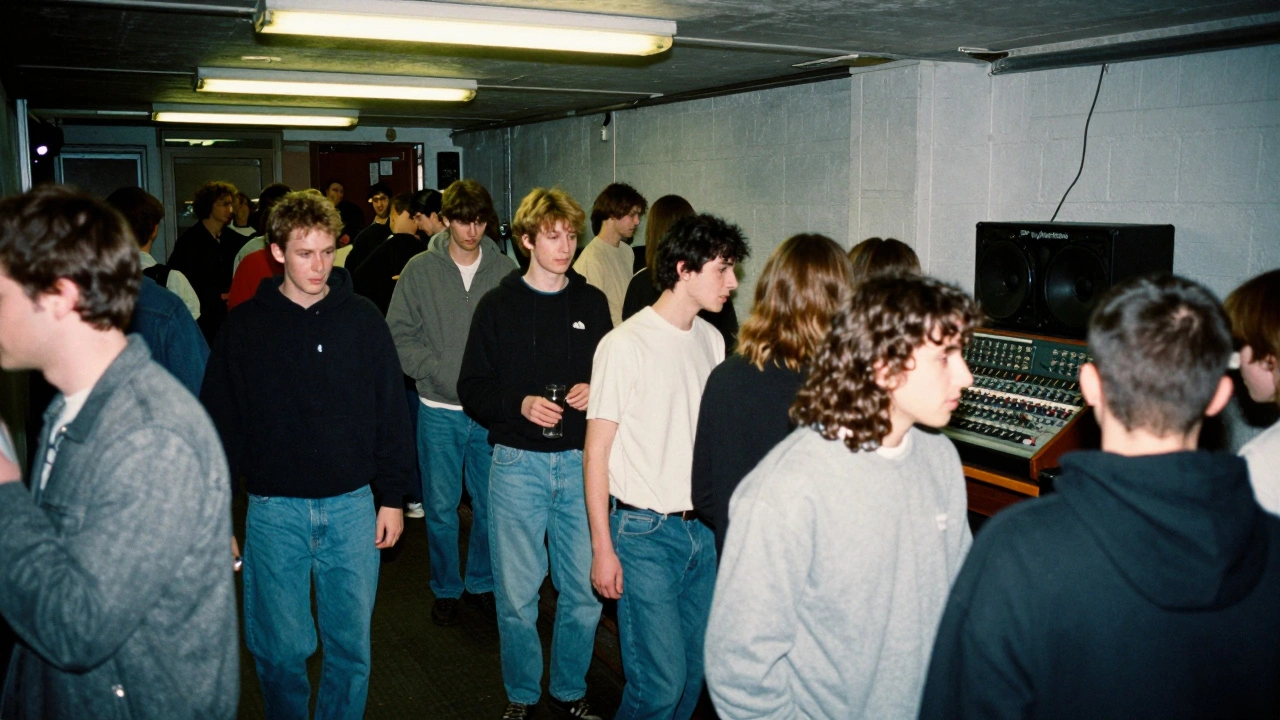
It wasn’t just about the music. It was about the space. The low ceilings, the damp concrete walls, the flickering neon signs that read ‘NO PHONES’ in bold white letters. No one wanted to see your TikTok dance. Everyone wanted to feel the bass. The club’s policy-no bottle service, no table reservations, no VIP treatment-was radical for London. It meant that the person next to you might be a professor from UCL or a warehouse worker from Barking. Class didn’t matter here. The music did.
Surviving the Storm: Fabric’s Fight for Survival
In 2016, Fabric nearly vanished. A licensing hearing, fueled by complaints from new residents in the gentrified flats above, led to the council revoking its license over drug-related incidents. The backlash was immediate. Thousands signed petitions. Artists like Four Tet and Annie Mac spoke out. Even the Mayor of London, Sadiq Khan, weighed in, calling Fabric a ‘cultural asset.’
It wasn’t just about a club. It was about what Fabric represented: a space where London’s diversity found its voice. After a year-long battle, the club reopened in 2017-with stricter security, mandatory ID checks, and a new partnership with local harm reduction charities like Drug Science and Release. They installed drug testing kiosks outside the entrance, long before any other UK club did. It wasn’t about policing people. It was about keeping them safe.
What Fabric Looks Like Today
Today, Fabric still runs three rooms: the main floor, Room 2, and the basement studio known as FabricLive. Each has its own identity. The main room is where the big names play-Dixon, Charlotte de Witte, or Amelie Lens-on weekends. Room 2 is where the new generation cuts their teeth: DJs from Croydon, Hackney, and even Brighton come through with experimental sets that blend jungle, footwork, and ambient techno. FabricLive, tucked under the stairs, hosts intimate sessions with underground producers, often recorded for their long-running podcast series, which has over 12 million downloads.
On a Tuesday night, you might catch a deep house night curated by a collective from Peckham. On a Saturday, the whole building throbs with a 12-hour techno marathon that ends just as the first buses roll into Farringdon at 6 a.m. The staff still hand out free water bottles. The toilets are cleaned hourly. The bouncers know your name if you come back twice. It’s rare in London’s nightlife now-where so many clubs feel like pop-up experiences designed to be sold on Instagram.
How to Experience Fabric Like a Local
If you’re new to London or just starting to explore its underground scene, here’s how to do it right:
- Buy tickets in advance. Fabric sells out fast. No walk-ins after 11 p.m.
- Arrive before midnight. The energy builds slowly. The best sets often start after 2 a.m.
- Wear comfortable shoes. You’ll be standing for hours on concrete. No heels, no flip-flops.
- Bring cash. The bar doesn’t take cards. £5 for a pint of lager, £3 for a bottle of water.
- Take the Tube. The nearest station is Farringdon (Circle, Hammersmith & City, and Metropolitan lines). Avoid driving-parking in the area is nearly impossible, and the congestion charge applies.
- Stay hydrated. The club gives out free water, but you’ll want more. Grab a bottle from the corner shop on Charterhouse Street before you go in.
And if you’re still not sure if it’s worth it? Go on a Tuesday. The crowds are thinner, the sound is louder, and you’ll find yourself surrounded by the real ones-the people who don’t go out to be seen, but to feel something.
Why Fabric Still Matters in 2025
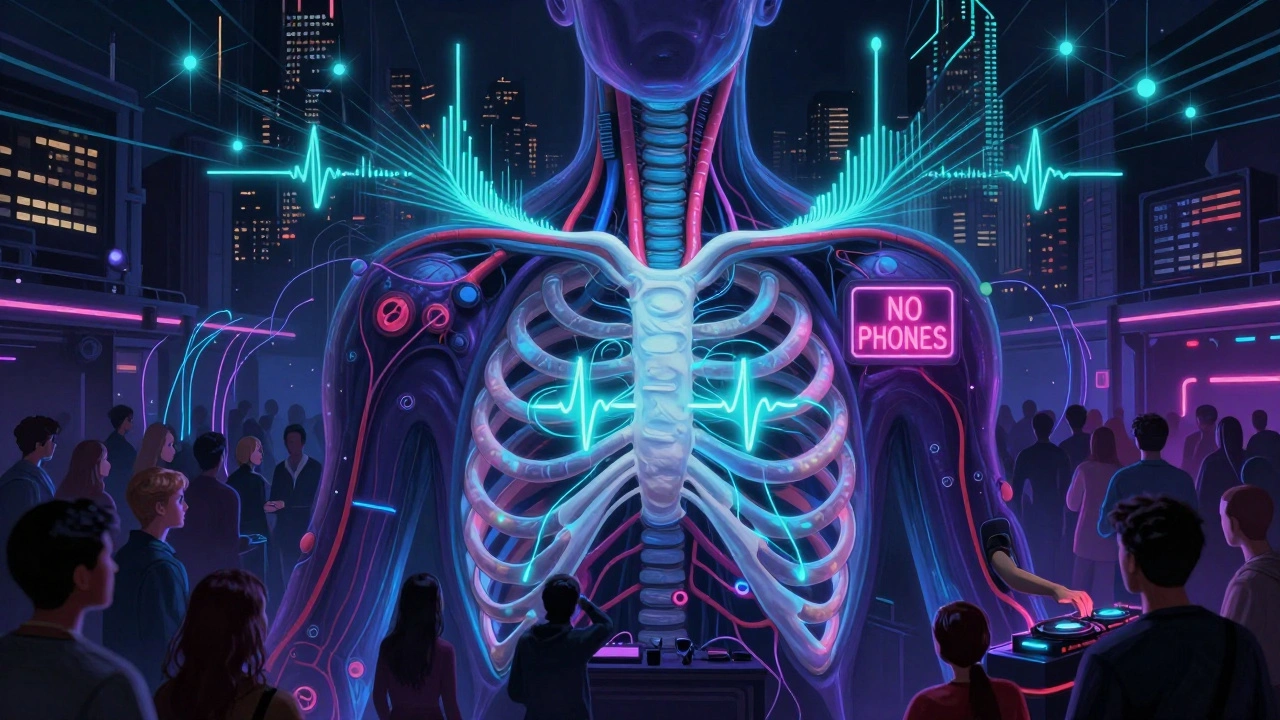
In a city where new clubs open and close every month, where corporate promoters chase viral trends and AI-generated playlists, Fabric stands as a quiet rebellion. It doesn’t need to be trendy. It doesn’t need influencers. It survives because it’s honest. Because it remembers that music isn’t entertainment-it’s connection.
When you leave Fabric at 6 a.m., the sky is still dark, the air is cold, and your ears are ringing. But you feel different. Lighter. Like you’ve been part of something bigger than yourself. That’s the magic of London’s underground. And Fabric? It’s still the place where it lives.
Is Fabric still open in London?
Yes, Fabric reopened in 2017 after a temporary closure and continues to operate as a licensed nightclub in Farringdon. It runs events Thursday through Sunday, with occasional special events on Mondays. Always check their official website for the latest schedule and ticket releases.
What time does Fabric close?
Fabric operates under a 5 a.m. license. Most nights end between 5 and 6 a.m., with the final set often finishing just before sunrise. The doors close promptly at closing time, and everyone must exit immediately. There’s no lingering or re-entry.
Do I need ID to get into Fabric?
Yes, all guests must present valid photo ID. Acceptable forms include a UK or international passport, a UK driving license, or a PASS-accredited proof-of-age card. No exceptions. This policy was strengthened after 2016 and remains strictly enforced for safety.
Can I bring my phone into Fabric?
You can bring your phone, but the club strongly discourages using it during sets. Signs around the venue say ‘NO PHONES’-not as a rule, but as a request. Many regulars leave their phones in lockers at the entrance to fully immerse themselves in the experience. If you do use your phone, keep it on silent and avoid recording videos.
Is there food at Fabric?
No, Fabric doesn’t serve food. But there are plenty of late-night options nearby. The famous kebab shop on Charterhouse Street is open until 6 a.m., and there’s a 24-hour café just across from Farringdon station. Many regulars grab a sandwich or a hot dog before heading in.
What’s the best way to get home after Fabric?
The best option is the night bus. N55 runs from Farringdon to central London until 5 a.m., and N205 goes to Camden and Islington. Taxis are available, but expect long waits and surge pricing after 4 a.m. If you’re staying nearby, many hostels and budget hotels in Clerkenwell offer early check-in for clubgoers.
What Comes After Fabric?
When you leave Fabric, you don’t just go home. You carry something with you. Maybe it’s a new track you heard, or the way the bass felt in your chest. Maybe it’s the memory of dancing with someone you’ll never see again-but who made you smile at 4 a.m. in the dark.
That’s why Fabric isn’t just a club. It’s a landmark. Like the Tower Bridge, but for sound. Like the British Library, but for rhythm. It’s part of London’s soul. And as long as it stays open, the city’s underground will keep breathing.