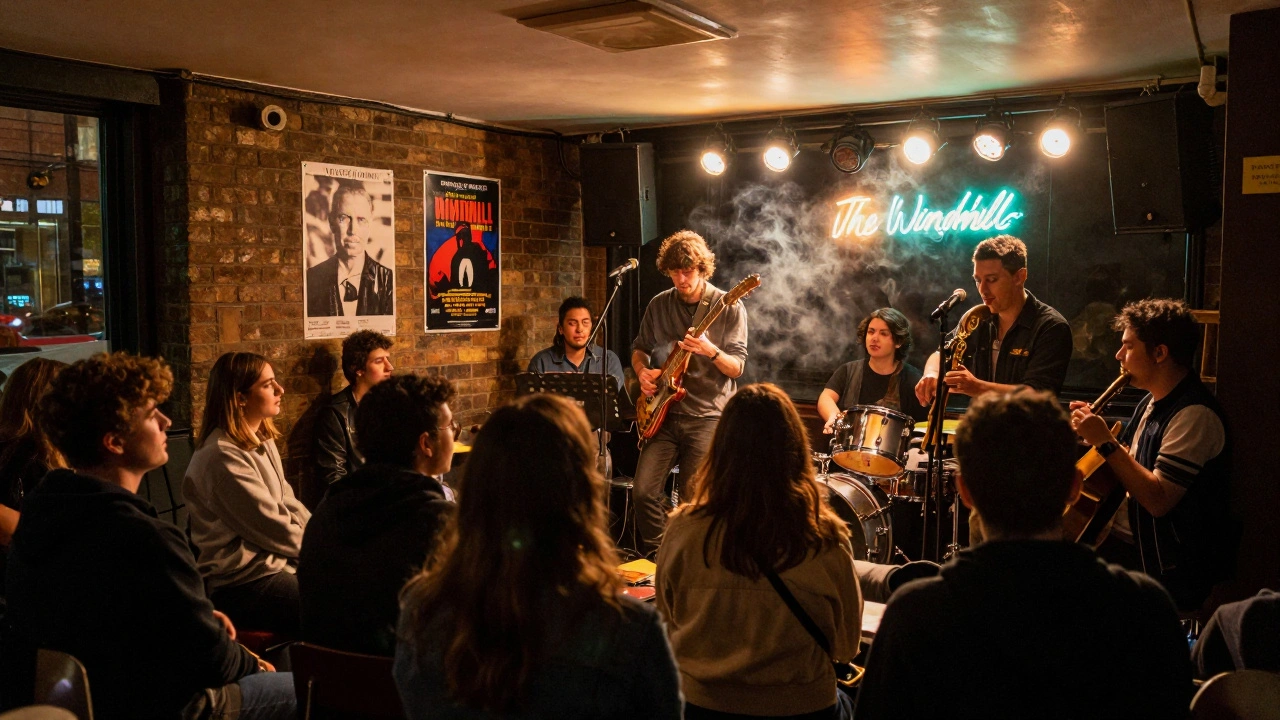
Choosing the right live music venue in London isn’t just about finding a space with a stage and speakers. It’s about matching your event’s vibe, audience, and budget to a place that already knows how to handle live sound, crowd flow, and the unique rhythm of London’s music scene. Whether you’re throwing an intimate jazz night in Peckham or a full-band indie gig in Shoreditch, the wrong venue can kill momentum before the first note even plays.
Know Your Audience - And Where They Hang Out
London isn’t one city. It’s a patchwork of neighbourhoods, each with its own sound. If your crowd is 20-something students from UCL, you’re not booking a 500-capacity jazz club in Hampstead. You’re looking at places like The Windmill in Brixton or The Lexington in Islington - both known for supporting emerging acts and drawing crowds who come for discovery, not nostalgia.For a more upscale crowd - say, corporate clients or older music lovers - venues like Ronnie Scott’s in Soho or The Barbican’s Milton Court offer polished acoustics and a quiet, attentive atmosphere. These aren’t places where people shout over the music. They’re where silence between songs matters as much as the notes.
And if you’re targeting tourists? Stick to iconic names like The Roundhouse in Camden or O2 Academy Brixton. They’re easy to find, well-connected by Tube, and already on every travel blog. But don’t assume bigger means better. A 300-person gig at The Jazz Café in Camden can feel more electric than a 1,500-capacity show at a soulless arena.
Sound and Space - Don’t Skip the Tech Check
London’s older venues often come with character - and quirks. The Garage in Highbury has a legendary basement stage, but its ceiling is low and its back wall is brick. That means bass can get muddy unless the sound engineer knows how to dial it in. Ask if they have a resident sound tech. If they say, “We just plug in and go,” walk away.Modern venues like Village Underground in Shoreditch or The Fridge in Brixton have professional-grade rigs, but they’re booked months ahead. Book early, and ask for a sound check slot during off-hours. Some venues let you bring your own engineer - but check their policy. At The Electric Ballroom in Camden, you can, but you must use their FOH mixer. At The 100 Club on Oxford Street, you can’t. Know the rules before you sign anything.
Also, check the stage size. A band with three guitarists and a keyboardist needs more room than a solo singer with a loop pedal. At The Jazz Café, the stage is 6 metres wide. At The Half Moon in Putney, it’s barely 4. Measure your gear. Bring a tape measure. Seriously.
Location, Transport, and Licensing Hours
London’s Tube shuts down around 12:30 AM on weekdays, 1:30 AM on weekends. If your show ends at 11:30 PM, you’re fine. If it runs past midnight? You’re relying on night buses or taxis. And good luck finding one after a gig in East London on a Friday.Look at the venue’s proximity to Tube stations. The O2 Academy Islington is a 5-minute walk from Angel Station. The Water Rats in King’s Cross is steps from the station. Both are easy. The Bull & Gate in Kentish Town? It’s a 12-minute walk from Kentish Town West - and that’s if you’re not carrying a bass amp.
Then there’s licensing. Most venues in London can serve alcohol until 1 AM, but some - like The Jazz Café - have extended licenses for late-night gigs. If your event ends at 1:30 AM, you need a venue with a late-night licence. Otherwise, you’ll be kicking people out at midnight. And yes, the police do check.
Costs - It’s Not Just the Hire Fee
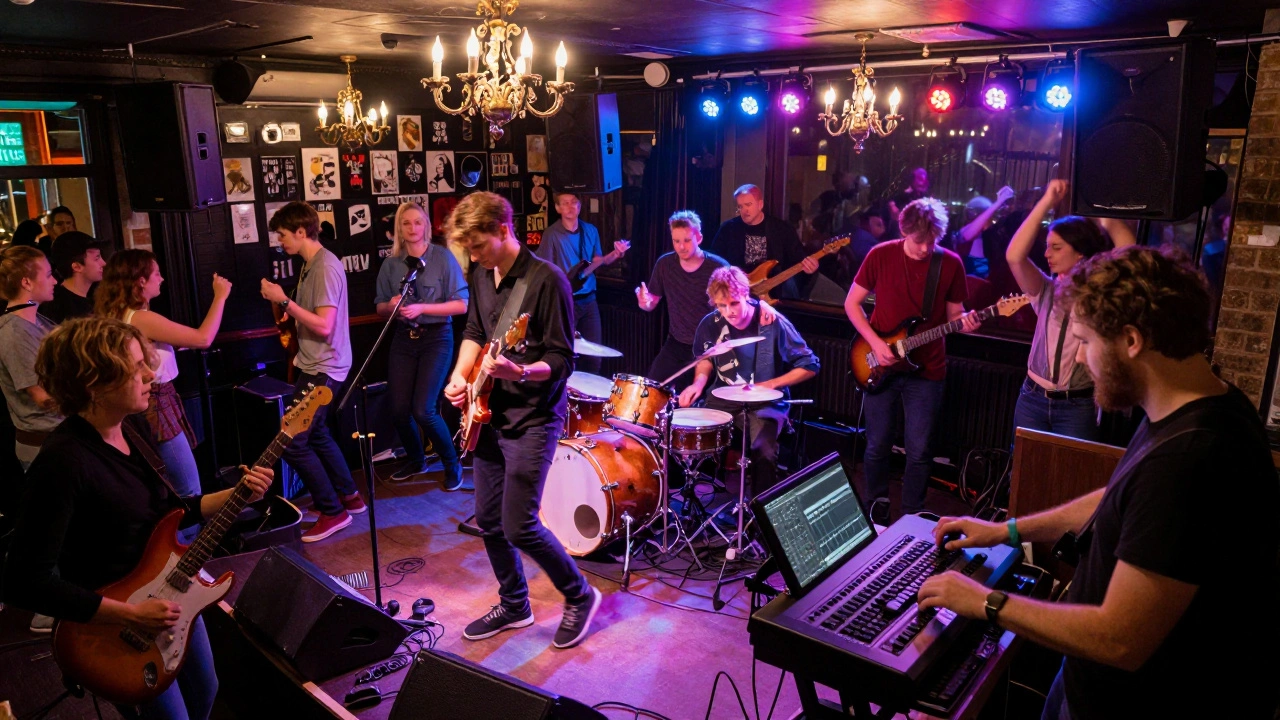
The headline price you see online? That’s usually just the room hire. In London, you’ll also pay for:- Sound engineer (typically £150-£300)
- Front-of-house staff (minimum £75 per person, often two needed)
- Security (required for venues over 200 capacity - £100-£200 per guard)
- Bar take (most venues take 30-50% of drink sales)
- Deposit (often 50% non-refundable)
At The Garage, the base rate for a Friday night is £800. Add sound, two bouncers, and a bar team? You’re at £1,500 before you sell a single ticket. Compare that to The Cluny in Newcastle - same size, same vibe, half the cost. London isn’t cheap. But it’s worth it if your audience is here.
Book Early - And Ask for the Right Deal
London’s best venues book up fast. The Jazz Café fills its calendar 6-9 months ahead. The 100 Club is even worse - if you’re not planning a show for next spring, you’re already too late.Don’t just email. Call. Ask to speak to the bookings manager. If you’re a new promoter, say so. Some venues offer reduced rates for first-time events - especially if you’re bringing in your own audience. The Windmill in Brixton has a ‘New Acts’ slot on Wednesdays. It’s low pay, but it’s exposure. And they’ll promote you on their Instagram to 40,000 followers.
Ask about split deals. Instead of paying a flat fee, can you do door split? That means you pay nothing upfront, but keep 70% of ticket sales after costs. It’s risky, but if you’ve got a mailing list or a strong social following, it’s the smart move for your first show.
Test the Waters - Start Small
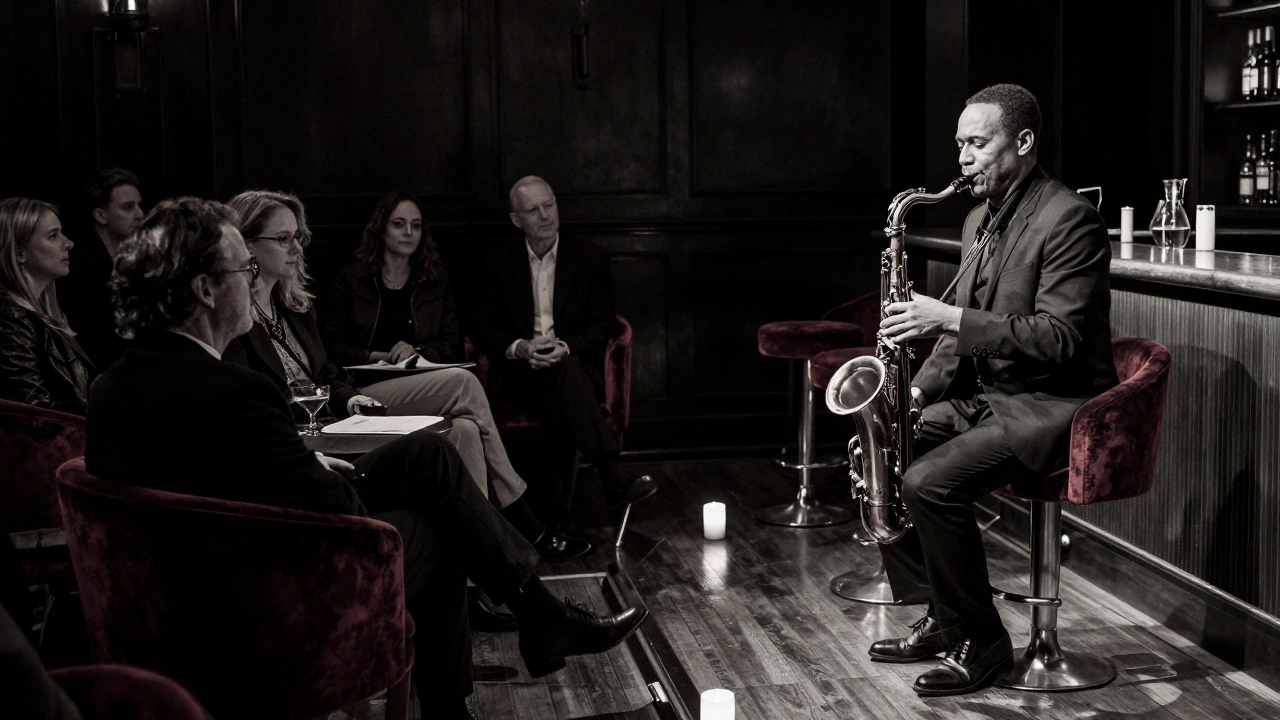
If you’ve never run a live music event in London, don’t jump straight into a 400-capacity venue. Start with an open mic night at The Bull & Gate or a pop-up gig at The Sebright Arms in Bow. These places are used to new promoters. They’ll give you a chance. You’ll learn how to handle sound checks, manage crowd control, and deal with last-minute cancellations - all without losing £2,000 on a bad booking.And if you’re unsure? Go to a gig at your target venue. Watch how the staff move. See how the crowd flows. Listen to the sound. Ask the bar staff how many people usually show up on a Tuesday. That’s real data. Better than any website listing.
What to Avoid
Don’t book a venue that’s too big. A 1,000-capacity space with 150 people in it looks empty on camera, feels dead in person, and turns off future bookers.Don’t pick a place with no wheelchair access. It’s not just ethical - it’s the law. London venues are legally required to have accessible entry. Ask for proof.
And never, ever book a venue without a written contract. Verbal promises from a bar manager mean nothing when the police show up because the noise level breached the licence.
Final Tip: Think Beyond the Stage
The best live music events in London don’t just have great sound. They have atmosphere. Think about lighting. Can you dim the house lights? Do they have a fog machine? Are there tables for merch? Can you put up posters?At The Jazz Café, they have a dedicated merch wall. At The 100 Club, you get a small table. At The Roundhouse, you can set up a full pop-up shop. Know what you’re getting.
And don’t forget the bathroom situation. At The Fridge, the toilets are in the basement. At The Lexington, they’re upstairs. If your crowd is mostly women or older guests, that matters.
London’s live music scene is alive because of its diversity - from basement bars in Peckham to grand halls in the South Bank. The right venue doesn’t just host your event. It becomes part of the story. Choose wisely. The crowd will feel it.
What’s the best live music venue in London for a debut band?
The Windmill in Brixton is the go-to for debut bands. It’s affordable, has a supportive crowd, and promotes new acts heavily on social media. Many breakout artists - like Arlo Parks and Yard Act - played their first London shows here. They also offer a ‘New Acts’ Wednesday slot with reduced fees and guaranteed promotion.
Can I bring my own sound equipment to a London venue?
Some venues allow it - like Village Underground and The Fridge - but most require you to use their in-house system. Even if you bring your own gear, you’ll still need to hire their sound engineer. Always ask in writing before booking. At The 100 Club, you’re not allowed to use your own mixer.
How far in advance should I book a music venue in London?
For top venues like The Jazz Café, Ronnie Scott’s, or O2 Academy Brixton, book 6-9 months ahead. For mid-sized spots like The Lexington or The Cluny, 3-4 months is safe. Smaller venues like The Bull & Gate or The Sebright Arms may take bookings 1-2 months out, but they fill fast on weekends.
Are there any free or low-cost venues for live music in London?
Yes. The Half Moon in Putney has a £5 door fee and no hire charge for local acts. The Dublin Castle in Camden offers open mic nights with no fee if you’re a local band. Some pubs like The Alma in Brixton host weekly gigs with no charge - just a voluntary donation. These are great for testing your audience before moving to paid venues.
What’s the penalty for going over the licensed hours at a London music venue?
If you exceed the licensed closing time, the venue can lose its licence. The police can shut down the event, fine the promoter, and blacklist future bookings. Most venues will not let you run late - even if the crowd is still there. Always end on time. If you need extra hours, book a venue with a late-night licence - like The Jazz Café or The Roundhouse.