In London, where underground music has always pulsed beneath the surface of the city’s grand architecture and royal history, few venues have shaped the sound of a generation like Fabric. Tucked into a quiet corner of Bermondsey, just a stone’s throw from the Thames and the old railway arches of Southwark, this unassuming warehouse became the heartbeat of London’s electronic music scene. What started as a modest basement club in 1999 is now a global benchmark for club culture - but its roots are deeply, stubbornly London.
From Warehouse to World Stage
Fabric opened its doors in 1999, not as a flashy new venture, but as a quiet rebellion. At the time, London’s club scene was dominated by bottle-service lounges in Mayfair and overpriced nightclubs in Soho that prioritized image over sound. Meanwhile, a group of DJs and promoters - many of whom had cut their teeth at clubs like The End and The Blue Note - wanted something raw. They found a disused meat storage facility on Farringdon Road, near the old Smithfield Market. The building had cold concrete floors, no windows, and a ventilation system that sounded like a jet engine. It was perfect.
The first night, barely 200 people showed up. Most were local producers from South London, students from Goldsmiths, and DJs who’d been banned from other venues for playing too long or too loud. But the sound system - a custom-built Funktion-One setup imported from the UK’s own audio engineers - was unlike anything else in the country. It didn’t just play music; it vibrated through your chest. That night, the bass from a track by Ricardo Villalobos didn’t just echo - it moved the walls. Word spread fast.
The London Sound That Changed the World
Fabric didn’t just host parties. It curated a sonic identity. While New York was still clinging to house classics and Berlin was diving into techno, London’s scene - thanks to Fabric - was blending genres in ways no one else dared. Drum & bass from Brixton, garage from Hackney, dubstep from Croydon, and minimal techno from Peckham all found a home under its low ceiling. The club’s resident DJs - like Jeff Mills, Ricardo Villalobos, and later, Peggy Gou - didn’t just play records. They told stories through rhythm, tempo, and silence.
Fabric’s Friday night ‘FabricLive’ series became the unofficial soundtrack to London’s underground. Each mix was recorded live, with no edits, no overdubs. You could hear the crowd cheering in the background, the clink of a pint glass, the muffled shout of someone losing their friend in the crowd. These mixes were sold in independent record shops across the city - Rough Trade in Notting Hill, Juno in Camden, and even small stalls in Brixton Market. They weren’t just albums; they were cultural artifacts. A 2003 FabricLive mix by Pete Tong became the first electronic compilation to chart in the UK Top 40.
The Fight to Survive
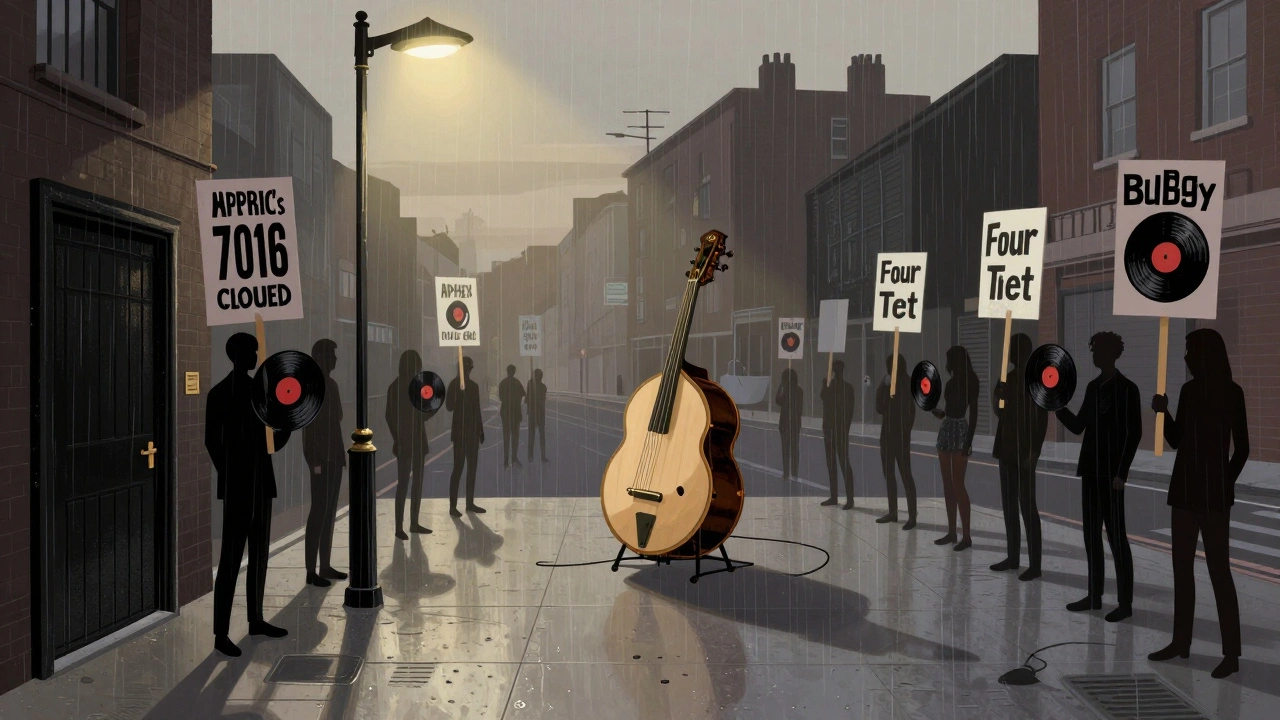
By 2016, Fabric was a global name. Tourists from Tokyo, LA, and Sydney were booking flights just to experience its sound system. But success brought scrutiny. In 2016, after a tragic incident involving a clubgoer’s death, the venue lost its license. The local council cited ‘drug-related incidents’ and ‘public safety concerns’. The closure sent shockwaves through London’s music community. Protests erupted outside Southwark Council. Musicians played free sets on the pavement outside Fabric’s doors. The hashtag #SaveFabric trended for weeks.
What followed was unprecedented. Over 200,000 people signed a petition. Artists like Aphex Twin, Four Tet, and Floating Points wrote open letters. Even the Mayor of London, Sadiq Khan, publicly backed the club. After a 10-month legal battle, Fabric reopened in 2017 - not as a corporate entity, but as a nonprofit. The club’s ownership was transferred to a trust run by DJs, sound engineers, and local residents. Revenue now funds youth music programs in Tower Hamlets and Lewisham. The bouncer still checks IDs, but now he also hands out free water and earplugs.
Why Fabric Still Matters in London
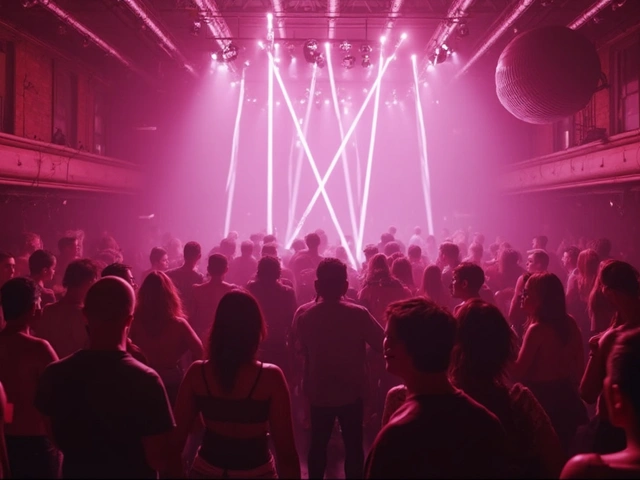
Fabric isn’t just a club. It’s a living archive of London’s musical DNA. You won’t find VIP sections here. No one’s taking selfies by the bar. The lights stay off until 2 a.m., and the crowd doesn’t move until the bass drops. It’s the same as it was in 2001 - except now, the crowd is more diverse. You’ll hear Polish techno, Nigerian afrobeats, and Scottish ambient electronica all in one night.
It’s also a refuge. In a city where rent is sky-high and public spaces are shrinking, Fabric remains one of the few places where you can be anonymous, loud, and free. It’s where a student from UCL meets a retired dockworker from Deptford. Where a Nigerian expat dances next to a second-generation Jamaican from Brixton. Where the music doesn’t care who you are - only how you move.
What Makes Fabric Different Today
Today, Fabric still runs three nights a week: Friday and Saturday for the main room, and Sunday for its ‘Fabric Presents’ series - a platform for emerging UK producers. The sound system was upgraded in 2023 with a new Funktion-One 8.2 setup, but it still uses the same original wiring from 1999. The bar still serves only lager, cider, and gin and tonics - no cocktails, no fancy drinks. The ice is always hand-chipped. The staff still wear black T-shirts and jeans. There’s no branding, no logos, no corporate sponsors.
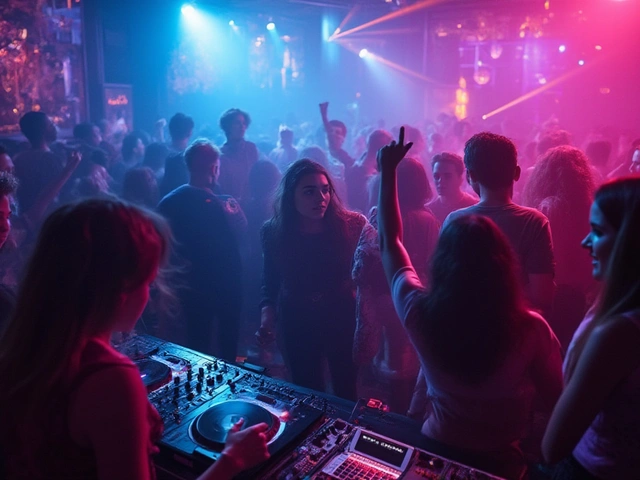
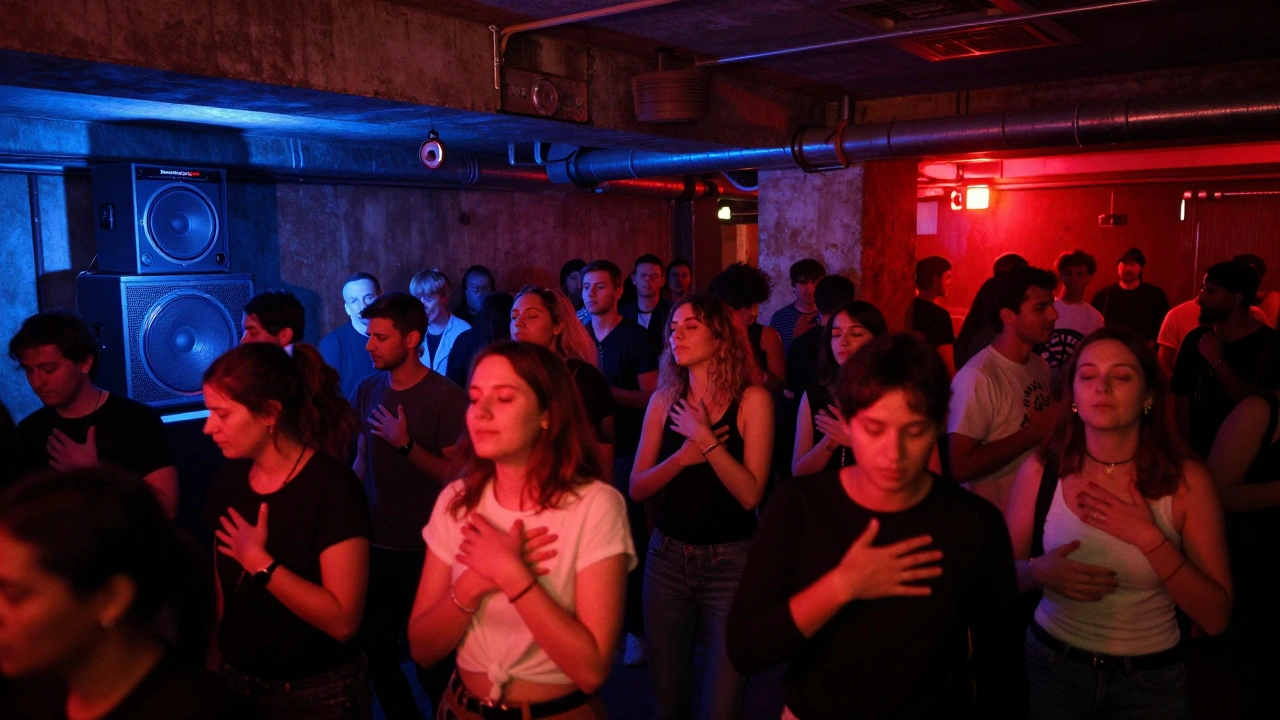
The club’s most famous feature? The ‘bass bin’ - a 12-foot speaker stack in the center of the dancefloor. It’s not hidden behind glass or labeled with a plaque. You just feel it. Walk into the room on a Friday night, and you’ll see people standing still, eyes closed, hands on their chests. They’re not waiting for a song. They’re waiting for the vibration to hit their bones.
How to Experience Fabric Like a Londoner
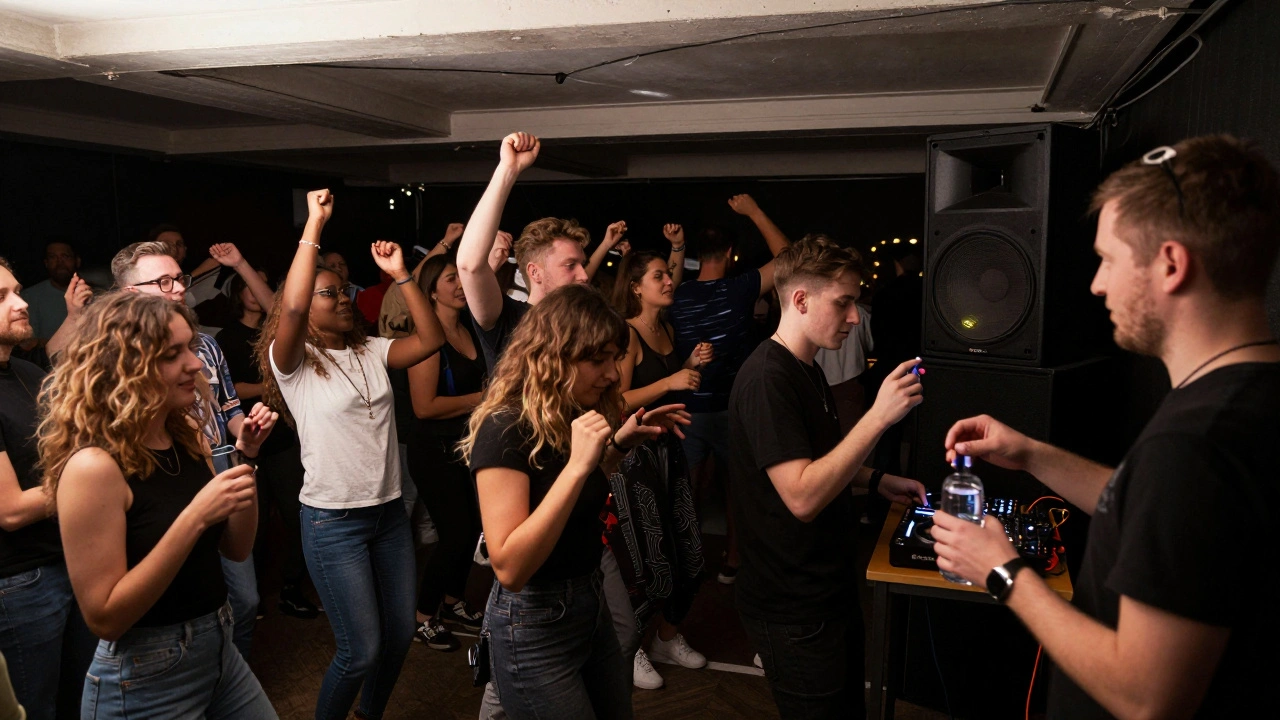
If you’re new to London, don’t go on a Saturday. The queues stretch down Farringdon Road, and the bouncers are strict. Go on a Sunday instead. The crowd is smaller, the music is more experimental, and the vibe is quieter - almost spiritual. Bring cash. Card machines are turned off after midnight. Wear flat shoes. The floor is concrete, and you’ll be dancing for hours.
Don’t expect a DJ to announce their name. That’s not the point. The music is the star. If you want to know who’s playing, check Fabric’s Instagram - posted every Thursday at 8 p.m. London time. The lineup is always a surprise. One week it’s a 19-year-old from Croydon making jungle edits. The next, it’s a legendary Berlin techno producer who hasn’t played in the UK since 2012.
And if you’re lucky enough to be there when the first track drops - the one that makes the whole room fall silent before exploding - don’t reach for your phone. Just listen. That’s what Londoners do.
Fabric’s Legacy in London’s Cultural Landscape
Fabric didn’t just change nightlife. It changed how London sees its own creativity. The club’s success proved that underground culture doesn’t need approval from the West End or the media elite. It only needs a good sound system, a loyal crowd, and the courage to keep going.
Today, you’ll find echoes of Fabric in every corner of London’s music scene. The warehouse parties in Walthamstow. The late-night jazz sets in Peckham Rye. The vinyl pop-ups in Shoreditch. Even the new music venue at the old Tate Modern extension owes a debt to Fabric’s model: no sponsors, no VIP, just the music and the people.
Fabric is not a tourist attraction. It’s not a brand. It’s a living, breathing part of London’s soul - the kind of place that only happens when a city lets its people make something real, without permission.
Is Fabric still open in London?
Yes, Fabric reopened in 2017 after a temporary closure and now operates as a nonprofit. It’s open Friday, Saturday, and Sunday nights in Bermondsey, London. Tickets are sold online only, and entry is strictly 18+. The club no longer accepts cash after midnight, but card payments are accepted at the bar before 1 a.m.
What time does Fabric open and close?
Fabric opens at 10 p.m. on Friday and Saturday, and 9 p.m. on Sunday. The last entry is at 2 a.m., and the club closes at 5 a.m. The main room shuts down at 4 a.m., but the basement often continues with a quieter, more experimental set until 5 a.m. - especially on Sundays.
Do I need to dress up to go to Fabric?
No. Fabric has no dress code. Most people wear jeans, sneakers, and a T-shirt. Some wear vintage rave gear. Others show up in work clothes straight from a shift. The only rule is no sportswear with visible logos - no Nike, Adidas, or Puma branding. The focus is on the music, not the outfit.
How do I get to Fabric from central London?
The nearest Tube station is London Bridge (Jubilee and Northern lines), a 7-minute walk. From there, head south along Borough High Street, turn left onto Farringdon Road, and you’ll see the unmarked white brick building with the black door. If you’re coming from King’s Cross or Shoreditch, the 47 bus drops you right outside. Many Londoners also take the Overground to Bermondsey Station - it’s a 10-minute walk through the historic market area.
Is Fabric safe for solo visitors?
Yes. Fabric has one of the safest reputations in London nightlife. Security staff are trained in de-escalation, not force. There are no undercover police. The club runs a free water and earplug station, and staff are instructed to check in with anyone who looks unwell. Many solo visitors - especially women and LGBTQ+ attendees - say Fabric feels more welcoming than any other club in the city.
What’s the best way to experience Fabric if I’m visiting London for the first time?
Go on a Sunday. The crowd is more relaxed, the music is more adventurous, and you’re more likely to meet locals who’ve been coming for years. Arrive around 10:30 p.m. Grab a pint at the bar before the music starts - it’s the only place in London where you can buy a pint of London Pride for £5.50 at 11 p.m. Stay until the last track. Don’t rush. The best moments happen when the room is nearly empty and the bass is still rumbling through the floor.
If you’ve ever danced in a London club where the walls moved and the air felt thick with sound, you’ve felt what Fabric built. It didn’t need to be the biggest. It just needed to be true.