
In London, where the nightlife never truly sleeps and the bassline hums through the cobblestones of Bermondsey, there’s one place that doesn’t just host a party-it defines a generation. Fabric isn’t just another club. It’s the heartbeat of London’s underground electronic music scene, a temple of sound that’s been pounding since 1999, and the only venue in the UK that’s earned a reputation so fierce, even the BBC has documented its cultural weight. If you’ve ever danced until the sun crept over the Thames, if you’ve ever felt the floor shake beneath you like the London Underground rumbling under Tower Bridge, then you already know why Fabric should be on every raver’s bucket list.
It’s Not Just a Club-It’s a Sound System Legend
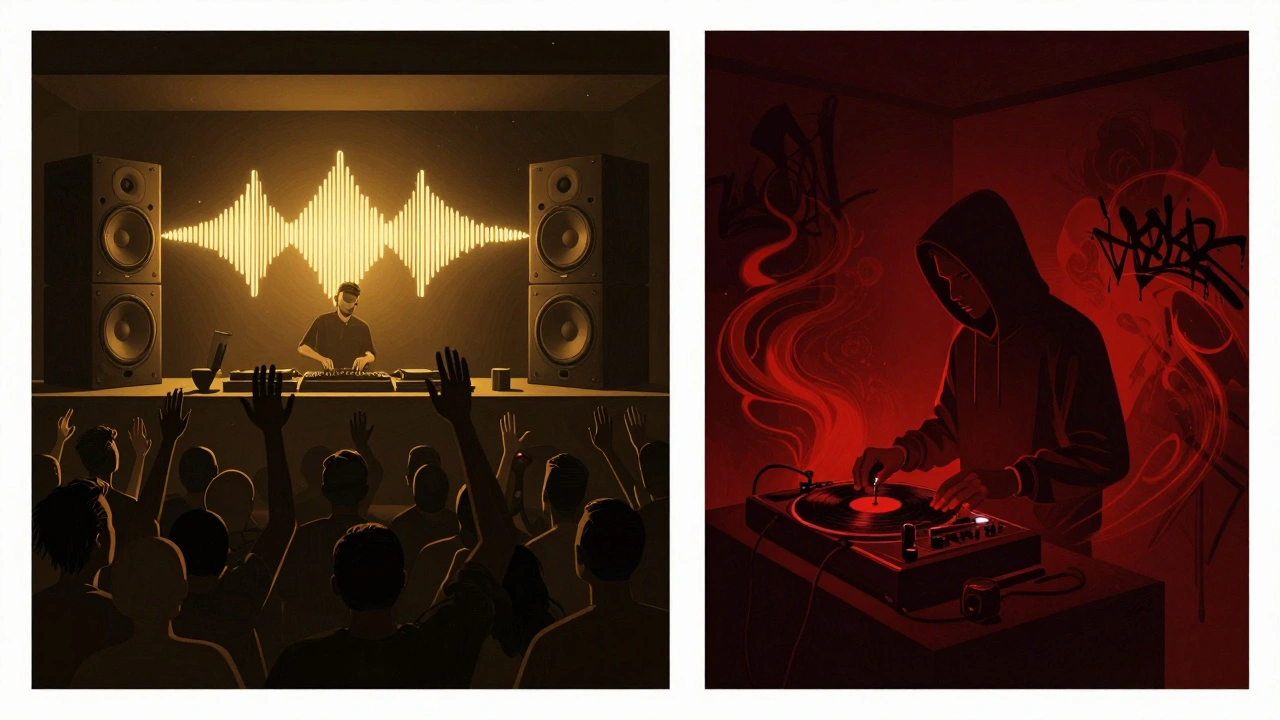
Fabric’s reputation starts with its legendary sound system. Two rooms. Two completely different worlds. Fabric Room 1, with its 18,000-watt Funktion-One setup, was engineered by the same team behind the sound systems at Glastonbury and Coachella. It’s not just loud-it’s precise. You don’t hear the bass; you feel it in your ribs, your teeth, your bones. That’s why DJs like Jeff Mills, Carl Cox, and Nina Kraviz won’t play anywhere else in London unless it’s Fabric. They come here because the system doesn’t distort, doesn’t muddy, doesn’t flinch-even at 130 BPM and 120 decibels.
Room 2, tucked beneath the main floor, is where the real underground thrives. Darker, tighter, heavier. This is where UK garage, techno, and bassline first found a home in the capital after the early 2000s rave crackdowns. You won’t find a DJ spinning Ed Sheeran remixes here. You’ll hear 140 BPM UK funky, raw Detroit techno, or the kind of minimal house that makes you forget your name. This is the room where a 22-year-old from Croydon once played a 4-hour set that went viral on SoundCloud and got signed to !K7 Records.
A History Written in Basslines
Fabric opened in 1999, just as the UK was recovering from the 2000 Licensing Act that shut down hundreds of illegal raves. While clubs in Manchester and Bristol faded, Fabric survived-because it was legal, it was loud, and it was respected. It didn’t just survive the crackdowns; it became the model for how a club could operate with integrity. No VIP tables blocking the dancefloor. No bottle service culture. No dress codes that exclude the kid in a hoodie and worn-out trainers. You pay £10 at the door, get a wristband, and you’re free to move.
When the club faced closure in 2016 after a drug-related incident, over 200,000 people signed a petition. Musicians from Aphex Twin to Disclosure spoke out. The Mayor of London at the time, Sadiq Khan, publicly defended it as a “cultural asset.” The licensing hearing lasted 17 days. Fabric stayed open. That’s how much it means to London.
The Crowd Is the Culture
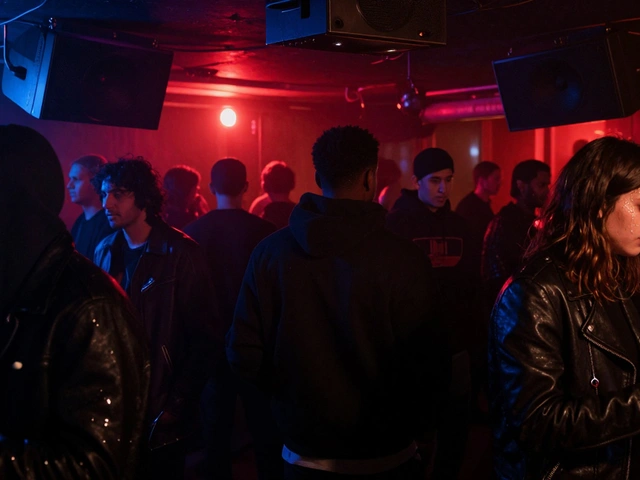
Walk into Fabric on a Friday night and you’ll see a mosaic of London. A 65-year-old retired engineer from Kent who’s been coming since 2002. A student from Nigeria studying at UCL who found her tribe here. A group of Polish expats who drive down from Luton just for the Saturday night techno session. A group of high-flying City bankers who ditch their suits at 10 PM and show up in black t-shirts and cargo pants. No one cares what you do for a living. They care if you’re dancing.
That’s the magic. In a city where people are often judged by their postcode, their job title, or their accent, Fabric doesn’t care. You’re judged by how you move. If you’re in the groove, you’re family. If you’re standing still, someone will tap your shoulder and pull you in. That’s the London way-real connection, no pretense.
It’s the Only Place That Feels Like Home After 4 AM
Most clubs in London shut down by 2 AM. Fabric? It’s open until 5 AM. And if you’ve ever been there past 4 AM, you know why. The energy doesn’t fade-it transforms. The crowd thins. The lights dim. The music gets slower, deeper. The bass becomes a pulse. You’re not dancing to escape anymore. You’re dancing to remember.
That’s when you’ll see it-the quiet moments. A guy from Brixton handing out free hot chocolate from a thermos. A woman from Hackney sharing her earplugs with someone who didn’t bring any. A group of strangers huddled under the stairwell, laughing because the bass made their phone vibrate in their pocket. That’s not nightlife. That’s community.
How to Make the Most of Your Visit
If you’re planning your first trip to Fabric, here’s how to do it right:
- Buy tickets in advance. Walk-ups are rare. Events sell out weeks ahead-especially on Friday and Saturday nights. Check the official site, not third-party resellers.
- Get there early. Lines form by 10 PM. Arrive by 11 to skip the queue and catch the first set.
- Bring cash. The bar doesn’t take cards after midnight. £10 buys you a pint of Camden Hells or a shot of gin from the local distillery, Sipsmith.
- Wear comfortable shoes. You’ll be on your feet for six hours. No heels. No new trainers. Your feet will thank you.
- Take the Tube home. The closest station is Bermondsey on the Jubilee Line. Last train leaves at 12:45 AM on weekends. If you’re staying past 5 AM, grab a cab from the Rankin Hotel on Southwark Bridge Road-it’s the only one open all night and knows the club crowd.
What Happens After Fabric?
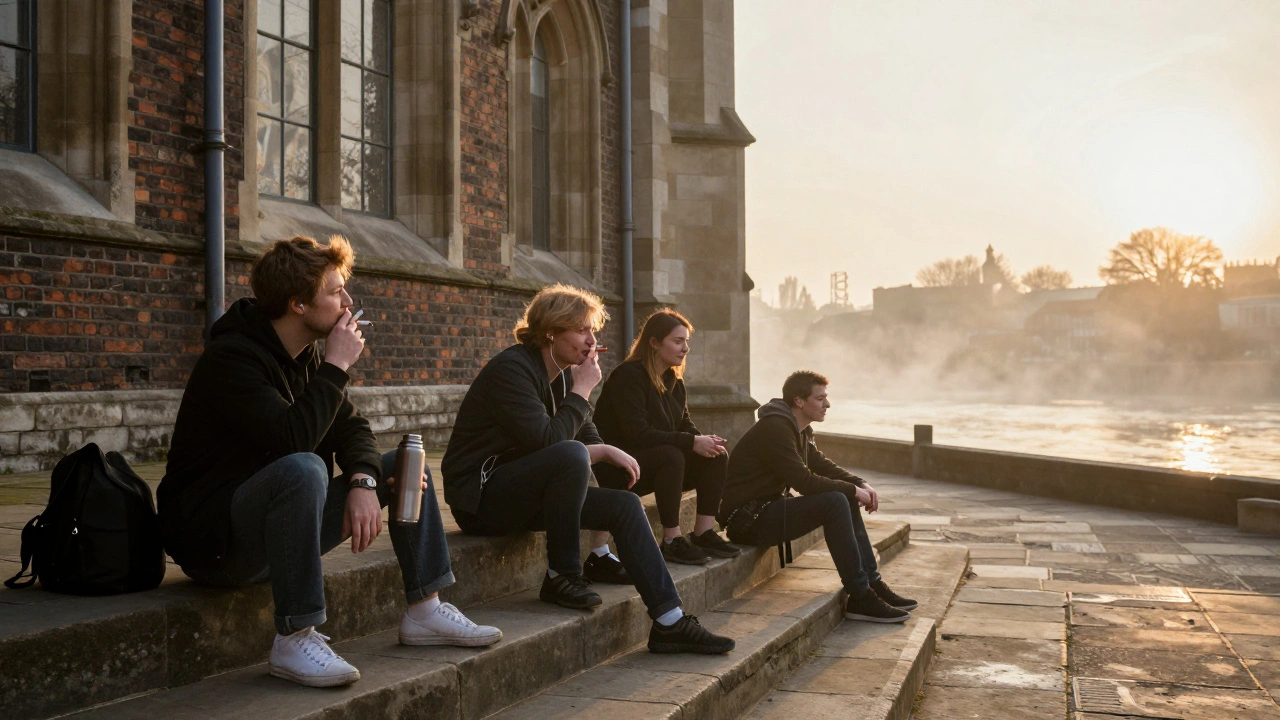
Many people think the night ends when the lights come up. But in London, the afterparty is part of the ritual. Walk out of Fabric at 5:30 AM, and you’ll see people sitting on the steps of the old Bermondsey Abbey, sharing cigarettes, still buzzing. Some head to The Nest in Peckham for a sunrise set. Others take the 24-hour bus to Dalston for a kebab and a playlist on a portable speaker. A few even hop on the first train to Margate for a beach walk at dawn.
Fabric doesn’t end when the music stops. It lives on in the conversations, the friendships, the stories you tell for years after. It’s the place where you met someone who changed your life. Or where you danced so hard you forgot your worries. Or where you realized you weren’t alone in loving the dark, the deep, the raw.
Why It Still Matters in 2025
London has new clubs. New festivals. New apps that tell you where the ‘hottest’ party is tonight. But none of them have the soul of Fabric. It doesn’t chase trends. It doesn’t need influencers. It doesn’t care if you post about it on Instagram. It just exists-loud, real, relentless.
In a city that’s changing faster than the weather on a Tuesday in Camden, Fabric remains a constant. A place where the past still breathes. Where the future is still being made on the dancefloor. Where the only thing that matters is the sound, the space, and the people who show up to feel it.
If you’ve never been, you don’t know what you’re missing. If you’ve been once, you know why you’ll come back. And if you’ve been a hundred times? You already know: this isn’t just a club. It’s where London’s soul dances.
Is Fabric still open in 2025?
Yes, Fabric is fully operational in 2025. After surviving multiple licensing battles and a brief closure in 2016, the club reopened with stronger community oversight and a renewed commitment to safety and music. It now hosts over 150 events annually, from underground techno nights to curated live sets from international artists.
Can I get into Fabric if I’m under 18?
No. Fabric enforces a strict 18+ policy with ID checks at the door. This is non-negotiable-even for students with university IDs. The club’s licensing agreement requires it, and staff are trained to verify age with government-issued photo ID. No exceptions.
What’s the best night to go to Fabric?
Friday and Saturday nights are the most consistent, with top-tier international DJs. But for true underground vibes, go on a Tuesday for the ‘Fabric Presents’ series or a Thursday for the long-running ‘Tresor’ night, which brings Berlin-style techno to Southwark. Sunday mornings are rare but magical-some events end at 5 AM with sunrise sets and free tea for the last 30 people.
Is there parking near Fabric?
There’s no public parking at Fabric. The area is a congestion charge zone, and street parking is extremely limited. The best option is to take the Tube-Bermondsey Station is 2 minutes away. If you’re driving, use the Q-Park on London Bridge Road, but expect to pay £15-£25 for the night. Most regulars never drive.
How much does it cost to get into Fabric?
Door prices vary by event but typically range from £8 to £15. VIP tables aren’t offered-this isn’t a bottle-service club. Some special events, like live sets or album launches, may charge up to £25, but those are rare. The cheapest way in? Sign up for the mailing list and get early access to tickets before they sell out.